Your ‘Why’ Is Your Only Edge: Building a Venture Firm that Actually Stands Out
02
Episode Summary
In this episode, Earnest Sweat and Santosh Sankar unpack what it really takes to start and sustain a venture firm in today’s brutal fundraising environment, where the top 30 funds capture most LP capital. They compare spin-outs to de novo emerging managers, stress why a clear “why” and real differentiation (beyond generic websites and value-add claims) are essential, and explore how narrative, content, and staying visible matter more than ever. They argue that relationships and trust are a lasting edge in an AI-saturated world, discuss the tradeoffs between being a solo GP versus building a partnership, and highlight the importance of conflict resolution, emotional durability, and actually doing what you promise for founders. Finally, they examine the evolving role of junior talent, emphasizing curiosity, relationship-building, and the ability to tinker with new tools as core skills for the next generation in venture. Also, Sam Heshmati of Citizens Private Bank, shares how the team provides white glove private banking tailored to the innovation and venture ecosystem, with a strong focus on client experience and value-added partnership.
Show Notes
Topics in this conversation include:
- Delusional Optimism, Improv Mindset, and New Fund Formation in 2024 (1:06)
- Why Start a Firm and How it Differs from Building a Traditional Startup (5:21)
- Bottoms Up Differentiation, Identifying Gaps, and Intellectual Honesty (11:15)
- Narrative as Sales, Importance of Story, and Sponsor Introduction of Citizens (16:49)
- Sam’s Path into Venture Banking and Early Silicon Valley Experience (19:39)
- First Republic Culture, White Glove Model, and Evolution under Citizens (21:32)
- Venture Firms as Media Companies, Noise, and Staying Relevant with Narrative (24:52)
- Cringe, Perfectionism, and Learning through Imperfect Content and Feedback (26:16)
- Human Touch vs Bots, Analog Firm Thesis, and Qualities that Truly Matter (31:12)
- Self Belief, Relationships, and Enduring Human Advantage beyond AI Tools (32:35)
- Location Narrative around SF, Global Investing, and Being a Bridge for Founders (40:14)
- Class A Question Asking, Diligence Styles, and Power of Active Listening (41:19)
- Why Great Founders Choose Specific VCs and How to Show Differentiation (45:44)
Venture has plenty of content. What it lacks is candor and curiosity about the craft. Hosted by Earnest Sweat and Santosh Sankar, Carry On is focused on what building a firm actually looks like, not the highlight reel. Each episode breaks down the X’s and O’s of venture capital, traded openly between two GPs and a small circle of friends who live this work. From first funds to franchise firms, specialists to generalists. Learn more and subscribe at www.carryonpodcast.com.
Full Episode Transcript
Santosh Sankar 00:06
In the last couple years, I think the the data is something like the top 30 funds raised roughly 75% of all venture capital raised from LPS.
Earnest Sweat 00:20
Okay,
Santosh Sankar 00:21
so 25% of that went to everyone else, not just emerging managers, but everyone else who is not in the top 30. And so, like that is the backdrop for a really, really challenging fundraising environment for those GPS that are raising anything from a fun one to a fun four is still considered emerging. You could kind of debate that. I’m not sure that’s very important, but like I, I shared this because in in this day and age, why does one start a venture fund if even getting into business, the cards are royally stacked against you like they have never been before in modern venture history.
Earnest Sweat 01:06
Yeah, yeah. You you have to be kind of delusional. Not kind of. You definitely need to be delusional. Oh,
Santosh Sankar 01:12
for sure.
Earnest Sweat 01:13
Which is a
Santosh Sankar 01:14
great trait of a founder as well that we would like to.
Earnest Sweat 01:16
Exactly. You want somebody who is can see the problems before them, but have an expectation of like I can assess all that information, and I’m going to be the exception, and I’m going to be successful. It’s kind of like this whole process of building things and being creative is kind of like a version of improv,
Santosh Sankar 01:42
yeah.
Earnest Sweat 01:43
Yes, and we’re just in a moment of like we have to yes and everything, and so yeah, you see that right in front of you, and I have been, especially because like 2024 was was was bad for folks across like whether you’re one of those top 30, whether you were kind of like a kind of like middle age firm, or if you were an emerging firm, and we still saw people coming out. Yeah, people who were you know at other places spinning out. I remember seeing one tweet that a LP at an endowment said from I want to say from like 2018 to 2022. 2022 or 2023, they had only seen about like 15 venture spinouts, and then over the course at the time of that tweet, it was like I want to say over the last year they had seen about 24. Yeah, and so we’re seeing, like, despite odds against you, a lot of people wanting to still start venture funds.
Santosh Sankar 03:08
Are are spinouts its own special breed though? Because it feels like those are the only things that are really gaining traction as a fund one, because they’re perceived to be something different than kind of a a de novo emerging manager showing up with the fund one because the spin out if done right also benefits from a variety of things more often than not likely being able to tap the LP relationships with the fund that they’re spinning out from but also likely some of the support of the GPS that they’re departing from,
Earnest Sweat 03:45
yeah,
Santosh Sankar 03:46
likely kind of on amicable terms with with financial support. So is that kind of its own breed and maybe not representative of just what is going on for the non spinout? I think
Earnest Sweat 03:56
I think that’s a narrative out there, and you have a few firms over the last, I would say, four or five years, who have spun out of notable firms, had that support, and you know, from their own credibility as well as you know being a part of the zeitgeist a little bit with LPs, were able to raise, and so yeah, you could consider them as not a part of this, but that’s actually also not true because there’s a lot of spinouts who are experiencing the same type of like struggles, obstacles as folks who are brand new to the industry, whether they’re operating or coming out of some other field, and so yeah, I think we’re it’s raining on everyone pretty much right now, and even established managers who had very low concentration of diversity. It came to different LPs and their performance. Even though they had great performance, because LPs are facing challenges right now in the back row environment, they’re finding it really hard to to to raise. And so it’s bringing up things that just that big question: Why would you start a firm,
Santosh Sankar 05:21
yeah. So, so, so you raise delusion, but in addition to that, that’s that’s kind of the personal trait one needs to have to show up and do something highly irrational, um, with the self belief that you’re going to go crush
Earnest Sweat 05:41
it. Yeah, I’m sorry. When you said highly irrational, I was just thinking about what we were talking about off camera.
Santosh Sankar 05:46
And so, with that, like break down some of the the nuts and bolts because you’ve done quite a bit of work on this as to what does it mean to create a firm, what do you need? What are the what are the similarities? What are the differences? Because when you say start a firm, 10 years ago I thought of it like I’m going to start the firm like a startup. We’re going to move fast. We’re going to break things. You don’t need permission to go kind of solve problems or capture opportunity. There’s a bit of that, but it’s also much different than a startup in the traditional sense that we know and we invest in. But let’s kind of unpack a bit of this together.
Earnest Sweat 06:32
Yeah, I think, and I’m definitely going to pull this thread and hear your story because I think it’s a it’ll be a great anecdote to compare of like with me building out in the open in public right now, and compared to like when you were building in 2015 and 2016 And so, the way I’ve looked at it, whether you know helping start firms, start practices, advising a number of LPs right now. What’s needed is, in no particular order, you obviously need a vision and a why. Like you really, really need a why you exist right now,
Santosh Sankar 07:22
yep.
Earnest Sweat 07:22
And you know, through all the interviews that I’ve done and the other podcasts with allocators and talking to LPs, it’s been kind of like beating my head how important that why is, because you’ll hear stories like literally I heard this yesterday from an LP friend. She was telling me that another of her friends, who’s also an allocator, was saying, “I need another venture firm. Like, I need another bullet in my head. Great, right? That’s uplifting, not depressing at all. So they’re a dime a dozen, and so you really need to have the ability to share why your why is important, why it’s not only important to me if I’m an allocator, why is it important for me to to invest in you, but more importantly, why is your other customer founders? Why is it important that that you exist? So the why is like really critical, and in general, like people should have more whys in their lives. I believe it was a Nietzsche. It will correct me if I was wrong, but like it doesn’t matter whatever the how is. You can overcome it with a with a strong why. Butchered that quote, but that’s essentially what it was. Yeah. And so people should and fund managers should have a why. Second, you need to have a clear understanding of what your differentiation is, and we can unpack that a little bit more. It’s one of those words, adventure differentiation, that we always use, but we never provide any type of guidance on what that looks like, how somebody can find that. It’s just kind of like if you know, you know if you know, and even the person who is kind of insinuating you know if you know, they kind of don’t know themselves, and so as our industry has become more mature, we’ve seen this kind of like sterileness, monoculture of what differentiation is, and so it comes out in weird ways of like I’m different, yet my website looks exactly like everyone else’s. My value add looks exactly like everyone else’s. Yeah, and that’s part of like this fear if if if you’re the. Tallest flower, you’re gonna get cut. Like it, it’s kind of a fear perspective. And then I think it’s also of like we’re all VCs love to tell, talk to other VCs, and sometimes not tell the whole truth of how they’re feeling, or only share kind of like their frustration and fears with other VCs. Yeah, and so it creates a culture of being too out there, not being consensus. That’s not going to do well for me, and or people come way out of the left field and say, “I’m doing this because everybody else is wrong, and I think it’s kind of this what it kind of creates this dynamic where you’re treating an open ended SAS like it’s a standardized SATs or ACTs. We’re trying to create our answer of like why we exist, what makes us different, in anticipation of like what we believe LPS want to see,
Santosh Sankar 11:15
rather than going bottoms up, doing the hard work, understanding where there’s a need and a gap, there’s also one needs to be intellectually honest whether they can fill that gap.
Earnest Sweat 11:28
Yeah,
Santosh Sankar 11:29
and if they can, being able to then go establish oneself in that manner rather than an exercise that might be more top down, if that makes sense.
Earnest Sweat 11:44
So continue with this, like differentiation. I think it also gets diluted to the point of kind of the reasons that I mentioned before. But a way you were talking about the idea of kind of doing this bottoms up and identifying where there’s opportunity, also being self aware and seeing like if you have kind of this idea that we look for in founders with product market fit. The only other piece I would kind of push to that as well is that I talk to VCs a lot, right? I talk to Angels and and everybody. So, like, individual venture capitalists are very different, even within firms.
Santosh Sankar 12:33
Yeah. Oh, totally.
Earnest Sweat 12:34
But for some reason, when we go out to speak to the world, given some of the pressures and ideas, and like, oh, if I stand out too much, I might be wrong. We all sound the same, and it’s it’s it’s it’s it’s not serving us well because if you actually look at the small things that you do, I think a lot of times we kind of look for this idea of differentiation has to be like very drastic, right? When all of us might be some similar shade of blue, right? But is different types of of blue, and so what I try to ask people to do is like have conversations with you know people you trust, VCs who speak openly, and they might identify what are those small things because differentiation, in my opinion, comes from a compounding of all the different ways that you approach the craft, so that’s outside of looking at the opportunity that you mentioned, outside of what fills the gap of those and like the human nature of like this is how earnest diligence companies. This is how earnest once he sees the gap, actually executes on it, and if you’re able to like actually do that, talk to other people and be like, “Oh, that’s actually different. Now you know how to to to you know share your narrative.
Santosh Sankar 14:11
Your the way you do the various functions of venture in in in another way as to hey, like for for for example, at Dynamo, we have something called the 24 hour rule. Somebody emails you, reaches out, you have to respond within 24 hours. Doesn’t mean you have the answer, but it has built kind of this culture and this reputation for being highly responsive. That’s our way of doing work. Yeah, and it goes back to something we said said in in prior episodes around being quick, but you’re not in a hurry.
Earnest Sweat 14:46
Yeah,
Santosh Sankar 14:46
and so by responding 24 hours, there are many times where you say, “Hey, received your email. Give us 24 hours more, or give us a few days because we want to go chat with another team member who spends more time.” In order to make sure we’re ensuring this as well as we can, I I totally totally agree because also there’s this there’s this adage when founders look for fundraising advice as to hey it’s actually like less about the firm it’s more about the person you get to work with
Earnest Sweat 15:20
yeah
Santosh Sankar 15:20
and goes back to something you said. Even partners at a given firm can have very different working styles, approaches, and find out somebody or figure out who it is that you might work with the best. That might be a combination of like admiration, their track record, and helping companies that are building maybe in the same or similar place, similar business models, but equally kind of have a unique approach or lens to the world where where they get you,
Earnest Sweat 15:51
yeah,
Santosh Sankar 15:52
and and and and and they get the vision, and if anything, they can push you on the vision, make it even bigger, bolder, and in theory increase the probability of achieving that vision over time.
Earnest Sweat 16:05
Yeah,
Santosh Sankar 16:05
asterisk question mark. How much do VCs actually kind of do that or not? And that’s probably it’s kind of that. That’s that’s
Earnest Sweat 16:15
its own topic outside of why somebody should do it. But I yeah, I think being able to be self-aware and see all those things at the same time, where the opportunity is, what needs to, what could fill the gap, and do I have those abilities to do it? And what are the small things that I do that help execute set functions of venture? That is more appealing than what we typically present out into the world, which is usually a sterile LinkedIn message or sterile LinkedIn post,
Santosh Sankar 16:49
yeah,
Earnest Sweat 16:49
or AI field LinkedIn post, yeah. And so, getting back to what that differentiation is and is important, which then leads to something that I think is another thing you need, and that’s a combination. These kind of go hand in hand, but vision of what you’re building it brings in all those con those concepts and narrative. This is a sales job, and I would argue this narrative is at its peak of importance in the world. And now a word from our sponsor for anybody who I don’t know maybe been under a rock, but any of our kind of investors audience that are investors, founders, and LPs, and just tech enthusiasts who haven’t heard of Citizens Private Bank. Can you first just introduce who yeah who Citizens is yeah yeah who who is Citizens yeah
Sam Heshmati 17:56
who the heck are we and what do we do we do a lot yeah it’s a one. It’s it’s really confusing because there are a lot of citizens out there or other banks with the name citizens in it, and it’s true. I know I know that’s caused a lot of confusion in the market, but we are Citizens Financial Group, and then under Citizens Financial Group of Citizens Private Bank, and I can touch on that. But bank that’s been around a couple 100 years, I would say from a size and AOM standpoint, deposit franchise. I think it moves around, but anywhere between I think the 11th and 13th or 14th largest banks in the country. I tell a lot of people we Citizens Bank Park of the Philadelphia Phillies, where they call the bank, is the the citizens that I work for. Okay, citizens and Citizens Private Bank is a new I would call division as of a few years ago under the Citizens umbrella that was created after the events of SBB and FRB to house the the the group that joined from First Republic and wanted to kind of keep that business moving forward on the private banking side. It was created essentially to to keep doing the same work we were doing for for so many years, decades at First Republic.
Earnest Sweat 19:23
Yeah, we’ll we’ll we’ll get into that kind of that lineage and culture from First Republic. But I also wanted to just hear more about you as a person and your journey within banking in the innovation economy.
Sam Heshmati 19:39
Well, it happened by accident, for starters. I I didn’t go to go to school. I was a local local kid. Went to school at San Jose State. Didn’t leave the area. And then I remember my former co-founder at First Republic, Samir Kaji. He had he was a few years ahead of me. He was working. At Silicon Valley Bank, and I was finishing school, and he-I’m not even exaggerating this. He said, “Hey, you should interview here. They’re hiring anybody with a pulse. And so I had a pulse at the time. I interviewed there, got the job. The key, yeah, the key, right? And they-they hired me, and then I found myself kind of in the center of the entrepreneurial and and venture ecosystem, really early on in my career, tested it out. Actually, took a detour for a little bit because I wanted to try something else. That’s a longer backstory, but then came back to it. Really enjoyed it, and then once you’re in it, it’s hard to get out of it for all the right reasons. You’re just you get to see a lot more than most people in this world get to see, and so I doubled down on that effort in the Bay Area, and and here we are now. Started originally working with entrepreneurs directly, and then shifted over to the venture side in 2010, and then in 2012, when we landed at First Republic and founded that practice there, essentially focused on both the startups as well as the the venture funds themselves.
Earnest Sweat 21:13
Wow! Wow! Great! Great! And here we are now. And then
Sam Heshmati 21:16
after First Republic, we’re we’re we’re like knee deep in it all. And so so we love the work we were doing, and when we had the opportunity to keep doing it, Citizens was the right place for many reasons, and I can touch on that later too.
Earnest Sweat 21:32
Yeah, I will actually want to touch on that now. You know, First Republic has had a amazing venture banking culture and was well respected. How has that culture not only fit but been enhanced with the with now being in the under the citizens umbrella?
Sam Heshmati 21:55
Yeah, I would say it’s much of the same, and we’re we’re looking to enhance it. Certainly, right? You’re right. First Republic had a reputation. It was this white glove experience. It was a feel element to working with First Republic and the First Republic team, in that made clients’ lives just generally easier, right? And allowed them to focus on what matters most, which is building their firms and building their companies. Citizens tracked First Republic very closely. They were actually the runner-up in the bid to take over First Republic before losing to J.P. Morgan. Yeah, and so it was. It’s interesting because they really loved our model, and when you know I knew First Republic was no longer going to exist, and I was evaluating where I was going to land. I spoke to over a different dozen different banks in the country. One thing that stood out about Citizens was its its admiration for the work that we had done, right, and how we did it at First Republic. So, banking is banking in a lot of ways, and not to diminish the importance of it, but the reality of it is, is I know this ecosystem looks for more than that. They say you do banking, that’s great, but what else is it that you’re doing that’s that’s really special? And the operating model and how we did it at First Republic was one of the key differentiators and our ability to lean in and do a lot of value-added work. So, when I was going through and evaluating the different options that were out there, it wasn’t just what what was the table stakes of what can you what will you allow us to do. It’s how can we go about doing it, and that how is where the secret sauce is in a lot of ways, and citizens creating the private bank was intended to deliver on the how, right? And that’s what we’ve now been doing. It’s we are going to create this new division, and we are not going to push you into how citizens historically did it. This new division is intended to allow citizens to learn from how First Republic used to do it, and allow you all to continue to do it. So it was almost like an innovation hub with respect to kind of a client experience standpoint, and I think the bank has learned a lot from it. And now I would say there’s even a broader, you know, focus and initiative across the entire enterprise, even beyond the private bank, around client experience, and so, so that you know, long-winded way of saying it’s the how citizens really, really understood, and not just understood, they love that piece of it, and were really supportive, evidenced by creating a new private bank with being able to deliver on the how because we know that that’s ultimately what our clients were looking for. And now back to the show. Oh,
Santosh Sankar 24:52
look at some of the some of the large funds right there. They’re basically media companies with an investment capability strapped onto the. Back of them, yeah, and the one thing over the last and and and that’s probably been something that has unfolded over the last call it six seven years in anger, but I also think that has increased the level of noise in the system as well,
Earnest Sweat 25:20
yeah,
Santosh Sankar 25:21
and. what does it mean to have a narrative that is sharp, that is differentiated, that is more signal? That is hard to do, but it equally goes back to vision, your your right to exist. Differentiation is is is another way, in my opinion, to say right to exist. I agree. Narrative is important. We’ve we’ve actually even seen it where over the last year or so, kind of writing less, sharing less as a result of that. I think we’ve kind of seen what what happens when you’re not actively engaged doing that, and there are a lot of different balls that a BC juggles, but it’s like having to recognize that it’s important as a result has to be a priority, and you do it because it’s a priority.
Earnest Sweat 26:16
Yeah, yeah,
Santosh Sankar 26:16
that means something else is not being done, but
Earnest Sweat 26:19
that’s our jobs. Like our jobs are to do a lot of things at the same time.
Santosh Sankar 26:25
Yes,
Earnest Sweat 26:26
just like founders, and it’s a different type of entrepreneurship. But you’re expected to do a lot. That idea of staying relevant and having attention is something that if you’re thinking about starting a firm, you need to do. This quote comes to mind by I didn’t hear this person say it, so I won’t say who who said it, but it’s the quote was from a prominent. I’m not gonna get into too many clues, but prominent venture capitalists, and this person told my friend the optimal level of cringe is not zero, and I think if we’re asking founders to go out on a limb, nobody wants a founder who’s going to wait, be stuck in their mind and like wait for the perfect moment. They’re going to lose.
Santosh Sankar 27:30
Yeah,
Earnest Sweat 27:31
and I’ll actually share something that’s kind of been a reframe in my own mind of just like having more content, whether it’s a podcast or writing or the small convenings, dinners that I do, you know, letting that perfectionism go, and seeing every opportunity as a way for me to have more touch points with a person, because even thinking about it in like different relationships, parenthood, you get to see more of a person’s character when they have made a mistake or when something’s shaking.
Santosh Sankar 28:13
Yeah.
Earnest Sweat 28:14
Not to mention, like, when do you get your best learnings when it’s actually some piece of failure?
Santosh Sankar 28:19
Yeah.
Earnest Sweat 28:19
Which is really feedback, and so you get more opportunities for that, and so that’s what’s really pushed me to like do more. And not everything is going to be great, but like you get to learn from those mistakes, and people get more touch points with you.
Santosh Sankar 28:32
Yeah, I think especially as as a manager, and and I think this this is important, even for especially sorry for those managers who are not a spin out or in a spin out. Whether you’re in a successful spin out situation or one that is more kind of friction filled, the ability to over a period of time have both consistent and an interesting volume of touch points or exposures, I think helps people understand who this person is, what is their perspective, why they believe it’s differentiated, and together that helps you form a narrative that you can then compound on the back of, and I think kind of there’s this this very old kind of advertising industry circa kind of mid 1900s adage that someone needs to see you six times before they recognize you and respond, and I think there’s maybe kind of a a lesson to be learned to your point around building narrative.
Earnest Sweat 29:54
Yeah, when
Santosh Sankar 29:55
you when you start a firm, but equally when you have a firm that’s been established and it’s not some. Thing you can necessarily stop doing.
Earnest Sweat 30:04
Yeah,
Santosh Sankar 30:05
I think when when you stop doing it, you start to then face the the issue of like relevancy. Are you are you still kind of identified as one of these differentiated beings within your subject matter, your your area of differentiation, and it’s it’s only gotten worse when when this turns. Who knows? Because this world is filled with more content than ever, yeah, and it’s more easily accessible than ever because of AI.
Earnest Sweat 30:33
Yeah.
Santosh Sankar 30:34
Um. If if anything, I think maybe perhaps kind of the next frontier of content and writing and disseminating your thoughts and not holding them to yourselves or to a degree of perfection is optimizing it so that it is machine readable and machine distributable as well. Because gone are the days of search, or kind of dare I say, feels like even serendipity at times. Rolling through and looking, oh, what’s kind of the new podcast or what’s this new piece of content in my RSS reader? Love that stuff being channeled through. Name your favorite agent that you incorporate.
Earnest Sweat 31:12
Damn, that sounds depressing. It’s nothing I love more than if I feel like someone really going to use a millennial term. I hate sees me. I feel seen when people give me book recommendations. They really notice that, like, oh yeah, this guy likes to read. He likes to read certain types of things. He’ll he’ll be open to a lot of different things. I love that, but I I don’t want people’s bots, you know, recommending me that, and so that’s kind of where the he. But that’s if you’ll see in all my slants of like where I see the world going, where I see the advantages going for people, in in kind of with the vision of stress wood, it’s always that human touch nature. Like we we live in the world with digital tools, but we’re not defined by them. But so, I don’t know. You you you really made me think on that last piece, and we’re as we come up with this like list of what we think people need before becoming like why they would start a firm and what they need with it. What qualities do you think are just like necessary, and which qualities do you think have been promoted or worked in the past that are kind of table stakes are not as critical?
Santosh Sankar 32:35
You mentioned something around delusion, and and and before, kind of, I I layer on top of that. It was probably like 334, years into building Dynamo. My my wife kind of looked at me casually, and she’s like, “So like, you think you’re like this? This is gonna work? And I looked up at her, and I go, and then she actually looked. She goes, “What a dumb question! She’s like, why would you do it if you didn’t believe was going to work. She goes, “Your your self belief is different than the actuality of what ultimately happens. But it’s interesting because it was it’s a statement on on delusion. This like audacity of one’s self belief that of course you’re going to kill it.
Earnest Sweat 33:14
Yeah, yeah, yeah.
Santosh Sankar 33:15
Like you wouldn’t do it otherwise. You would you would naturally pick something else. But I think kind of in in terms of self characteristics, on top of self belief, especially in in this era going forward, I I do agree that there’s something, and I’m not sure how quite to express it. I think you use the words relationship, human touch in in some of your writing before, but there is the ultimately like who are you going to work with? You you’re going to work with another human that you hope is there through good times and bad, and the bad is where character really turns out or shows up and is reflected in whether this is the person you thought you bought. I don’t know whether I don’t know whether kind of the classic, like being smart. Dare I even say being like a problem solver is as valued? Because guess what? Like reasoning is starting to be accessible by anyone and everyone with an internet connection. The thing that may not be as easy and goes back to relationships is oftentimes it’s not a singular individual, as in a partner at a venture firm that a founder might interact with that helps them solve something or gets a breakthrough. It’s the network that that person avails. Yeah, a founder too, and I think that’s probably something that is underplayed and. In in the era of AI we’re in, because it’s kind of address so many different things around us that we touch and do day to day as knowledge workers. The thing that I’m not completely convinced of is it accelerates the relationship building and the trust building that is required to ultimately build and scale a company across a variety of factors, getting the capital in, hiring the right people, empowering those people, holding them to account, customers especially, and and that’s what kind of ultimately was sitting behind this. I think that’s kind of the relationship aspect of investment that I think will endure. Now, whether that we’re we’re in a period that LPs value that in the managers that they invest in, are we in a period where founders broadly value that when they choose who to take capital from? That is choppy. That is not clear. But we also talked about we’re kind of in a very irrational period of venture, in my opinion. I think that is important. What beyond capital and access to playbooks and being a great problem solver does a VC have? I think it comes down to who are the other relationships that they can bring to the table, as much as what is what is the what is the metal of the relationship that you have with them? Does that make sense?
Earnest Sweat 36:31
Yeah, it makes sense. I think it’s also counter cultural to how Silicon Valley’s worked in the past with people really working within their own networks and trusted networks, and a lot of times, and then when I first got into the business, people would say, like, poof, they got this network, trusted network, high quality sourcing channels, and that’s how they ran their business, right? That’s how they ran their venture business, and I always felt like that was like not the full story. It’s like we started the we started at chapter eight of 16, and not at chapter one. Like, how did you garner that network? How did you filter out which sources were better than others? And and it’s kind of been the self-proclaimed prophecy that, like, oh, you need to-you either in the right networks and pools, or you’re not. And I think that worked in days when we have like, hey, we’re looking for specific smart experts. We’re gonna garner this information. No one else will have it, and we’ll win that way. And now, as all the things you mentioned, it’s just like, all right, can can you like truly challenge like this idea of just staying so insular, and what breakthroughs can you get by finding other information outside and actually being a bridge to those different worlds? I think that’s where the opportunity is.
Santosh Sankar 38:15
Breaking out of kind of the monoculture that VC has effectively become.
Earnest Sweat 38:20
There are huge industries all over that now are like very very thirsty for technology, and so but we’ve created a culture where we only sell to ourselves, build with ourselves, and that’s that’s
Santosh Sankar 38:35
it. Oh, I and so is coming in and out of what I call kind of the bubble. You can even go like yeah, feel coming in and out. Yeah,
Earnest Sweat 38:42
and so I think those individuals who have the ability to go outside of their network are going to be able to challenge those you know previous generations’ thoughts that like no, you only need to swim around here to catch a really big wave. I think combining those will be powerful. And I don’t know if there’s that many people who have been equipped with that ability, know how, and just like motor to go do that work because you’re really trailblazing by connecting people.
Santosh Sankar 39:17
Yeah, the the one counter I’ll I’ll say to that because because I’m I’m almost witnessing it not being based in in SF is there definitely feels to be and I don’t necessarily disagree as to why this is happening in the current period but there’s implications for this is. all your startup playbooks around how you build a company because of the AI wave are are changing? They have not been written. They get rewritten arguably daily, and kind of being at ground zero where. You have this culture, and almost through osmosis, you can level up. And partly you level up because there’s a culture of urgency and moving fast here.
Earnest Sweat 40:14
Yeah,
Santosh Sankar 40:15
that’s kind of reaggregating talent and this narrative that hey, in order to build a kick ass business. You have to be an SF.
Earnest Sweat 40:22
Yeah, we
Santosh Sankar 40:23
know that that is not the case because we’ve seen that in prior generation companies.
Earnest Sweat 40:27
Absolutely,
Santosh Sankar 40:28
but we’re in a period where that that narrative is strong. It’s prevalent. It has legs as to why it exists.
Earnest Sweat 40:35
Exactly.
Santosh Sankar 40:37
But people are likely to miss out on one hand of great companies that are not necessarily built here, but it could also forsake companies that might otherwise end up to be amazing and great because they’re just frankly not going to get the attention from folks,
Earnest Sweat 40:56
yeah,
Santosh Sankar 40:57
who otherwise are based here.
Earnest Sweat 40:58
Yeah,
Santosh Sankar 40:59
and I invest globally.
Earnest Sweat 41:02
Yeah,
Santosh Sankar 41:02
most of my companies are not based here. And part of what I’m thinking about is like how how can I beat that bridge? How can I facilitate that? What can I instill going back to? What do venture managers need through my relationships to empower the people that I’ve chose to go on the journey?
Earnest Sweat 41:19
Yeah. To kind of book in this part of like what they need venture capitalists who wants to be a fund manager or anybody who wants to be a fund manager in this asset class needs. I would say the only other qualities that I’m sure missing others but are necessary and critical are you need to be a class A, and I’m going to say this wrong on purpose, but like a class A question asker. Like you need to be very good at asking questions.
Santosh Sankar 41:54
Yeah,
Earnest Sweat 41:54
and it’s not just because like the go to is always saying you need to be curious. You can be curious and not ask anybody shit. Like you need to have the ability to ask certain questions to get information, and know how to do it in different ways.
Santosh Sankar 42:08
Yeah,
Earnest Sweat 42:08
so many ways. I remember seeing a lot. This was never my style. Maybe it’s just my background, being from the south or something. But I would see kind of like what the diligence questions would be from like younger folks in the industry, and they would go back. Well, okay, what do you expect your TAM to be? Okay, all right. Next question: What are you expecting your everything? It’s just like going line by line, and it’s like
Santosh Sankar 42:36
it’s robotic and check the box. Yeah,
Earnest Sweat 42:38
exactly. And it’s just like the founders like, do I need to be here? Like, we could have did this in an email.
Santosh Sankar 42:43
Yeah,
Earnest Sweat 42:44
and that’s another touch point of of showing not only there’s a lot of things you can show in in the questions you ask. One is like your humility of understanding. Hey, you’re an expert. You’ve taken like all of your talent and resources, where you could be in something that’s more secure, and decide to go after this journey. So I have a respect for that. Two, it shows hey my understandings, understanding and curiosity about like your industry, your vision, and who you are as a person, and three, the bit of expertise you have in in being able to coach, push thoughts, and a lot of times breakthroughs happen through just like the questions that you ask.
Santosh Sankar 43:39
Yeah,
Earnest Sweat 43:40
where there’s been times where I felt like honestly I didn’t say anything to the founder, and they’re like, “Thanks, man, I got it. Thanks, you were really helpful. And I was like, “I just asked questions. So that so that’s the like that that’s a huge thing that you need to be able to have.
Santosh Sankar 43:54
I think with asking knowing how to ask good questions is actually I think most of being a great investor is listening.
Earnest Sweat 44:05
Yeah,
Santosh Sankar 44:07
and I think there are a lot of folks who come in or desire to come into the industry and don’t realize that because they might come in with a certain vantage point and set of experiences, and want to share that and be value add, but that is probably like in one to 2% of situations where that is relevant. More often than not, is being curious but asking questions off of that curiosity when you feel like you’re not getting the answer. Being able to reframe that question to kind of get to an end point where you feel like okay, like I’ve satisfied that curiosity, but we need to kind of actively listen. I’ve equally kind of seen just like like you’ve kind of seen juniors go through. Robotic checklist fashion, where there are folks who sit in a room are are asking questions, but then they start to just check out, like how dis like what how terrible is that for a founder whose hair is on fire? They have so many different balls to juggle, and they’ve taken the time out to spend an hour thinking that you’re serious about their fundraise, but what you say and how you behave are at complete odds. And I’m somebody who strongly believes: don’t worry about what someone says because their actions are much louder. And that goes back to a bit of what you said, like what is that relationship? Like how how do they approach their craft?
Earnest Sweat 45:44
Yeah,
Santosh Sankar 45:45
and that that’s very important as a manager to understand how you approach your craft because there’s a cultural element to your firm. But the one thing we haven’t touched on, and I think this is more important than ever, given how competitive the market is at all stages, is why do great people who why do the people who are considered to be great builders and builders of great companies come to you, seek you out, or want you as a part of their journey as a partner on their cap table? And I think being able to have a very clear, concise answer to that in a differentiated answer to that is important.
Earnest Sweat 46:28
Yeah,
Santosh Sankar 46:29
and I think that could be any number of things. Like they’re very human in the way that they work with their founders. They’re very consistent. They they uphold a frequency of contact in building the relationship and tactically and strategically solving problems. They mobilize a network. They don’t just talk about a network because you know they’re equal. A lot of invest. Oh, we could do X, Y, or Z, but they never actually deliver on that.
Earnest Sweat 46:56
Yeah, it’s about what you deliver, and it’s one thing I’ve been challenged even through some some peers is I like you know build you know very early materials for stress wood, and I’m like this is great, like the tagline of like wanting to build like having this north star of building the most analog firm in a digital age, but like what does that actually not? What does that mean? How do you show it? It’s one thing to tell us, yeah, but how you show it and the way you show it is back to those things like like experimenting and doing things and getting feedback. And so even on like, there could be a disconnect on what you assume is your differentiation, but having some self awareness of like, what are people always calling you for, or just asking your founders, hey, what what have you appreciated about this? What do you want us to do more of? What have you really liked us doing to just keep tripling down on?
Santosh Sankar 47:53
Yeah.
Subscribe
Join the Conversation
Stay close to the ideas, operators, and opportunities shaping what’s next.




Your Hosts

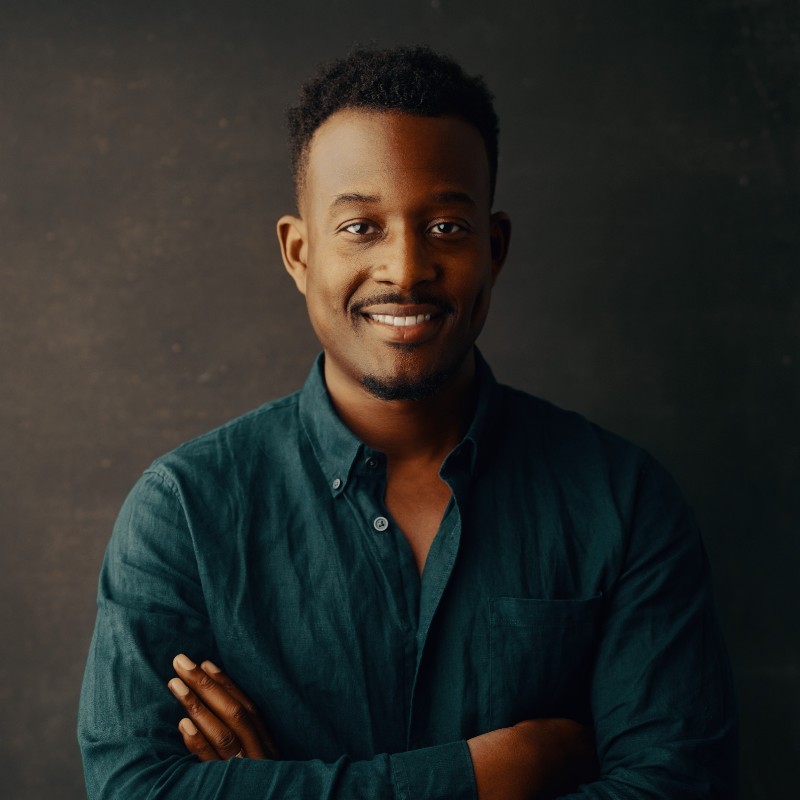
Earnest Sweat
Venture Capital Advisor & Emerging Fund Manager
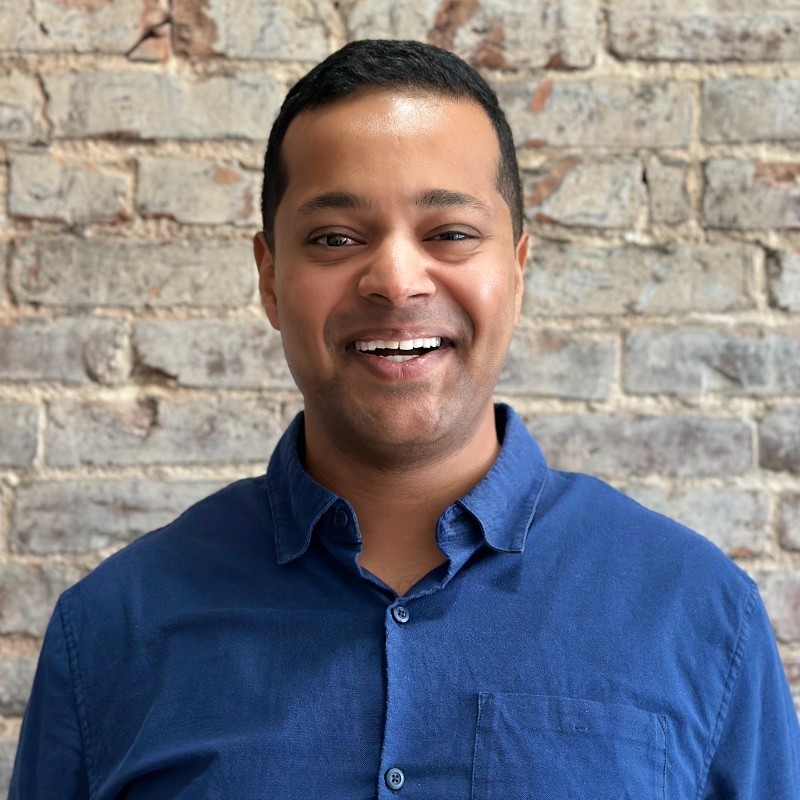
Santosh Sankar
Managing Partner, Dynamo Ventures
sponsored by