Mind the Gap: Who Actually Does Series A Anymore?
06
Episode Summary
In this episode, Earnest Sweat and Santosh Sankar unpack the “missing middle” in venture capital, exploring how mega funds have barbelled the market by focusing on early seed options and late-stage growth while leaving a gap at true Series A and B. They discuss how round labels have blurred, why flexibility in check size and stage is now essential, and how great Series A/B investors must think more like talent GMs than card counters, constantly diligencing, reassessing risk, and owning distribution for their companies. The conversation also dives into how LP expectations are evolving toward greater transparency and institutional-grade operations, with guest Sean sharing how emerging managers can professionalize fund operations, navigate ODD, and prepare for a world where venture looks more like other mature asset classes while still rewarding differentiated worldviews and conviction-led investing. Also, don’t miss Sean Park of Citizens Private Bank as he shares how emerging managers can professionalize fund operations and become institutional-grade with the right CFO support.
Show Notes
Topics in this conversation include:
- Starting a Series A Fund (0:06)
- Who Is Actually Doing True Series A and Series B (3:38)
- Barbell Market, Pandemic Shift, and “Messy Middle” Conundrum (4:04)
- Opportunity in the Gap and Analogy to Strong vs. Average SaaS (7:23)
- From Poker to General Manager: Rethinking Diligence and Portfolio Construction (9:34)
- Inflection Points, Re‑Ups, and Data‑Informed Opinions Across Stages (12:06)
- LP Readiness, Demand for Transparency, and Equity Research–Style Reporting (14:29)
- What a Fund CFO Actually Does Beyond Bookkeeping (21:20)
- Limits of Fund Admins and Lawyers and Why Fractional CFOs Fill the Gaps (25:30)
- Applying Private Equity Analogy to Venture Sub‑Segments (28:30)
- Worldview, Edge at Early A to Early B, and Helping Founders Own Distribution (31:54)
- Underutilized Venture Talent and Spinouts Into the “Middle” (37:08)
- Why Co‑Invest Vehicles Are Less Compelling in Today’s Market (40:32)
- Building a Durable Middle‑Stage Franchise and LP Discipline on Scope Creep (41:39)
Venture has plenty of content. What it lacks is candor and curiosity about the craft. Hosted by Earnest Sweat and Santosh Sankar, Carry On is focused on what building a firm actually looks like, not the highlight reel. Each episode breaks down the X’s and O’s of venture capital, traded openly between two GPs and a small circle of friends who live this work. From first funds to franchise firms, specialists to generalists. Learn more and subscribe at www.carryonpodcast.com.
Full Episode Transcript
Earnest Sweat 00:06
Santosh, am I crazy for wanting to start a Series A font?
Santosh Sankar 00:11
You know, from some of the more recent conversations I’ve had, it feels like there is a meaningful gap that I do not see it closing anytime soon for true Series A firms like we grew up knowing and understanding, and clearly as Inception stage investor, getting a portfolio coming to Series A is like is a metric that LPs think about, ask about. I can’t say we like to sit there and religiously go track. We don’t do that, but it’s important for us to understand who the Series A funds are that are relevant for each portfolio company, how they think about the world, and so on and so forth. But over the last few months, as you know, I’ve caught up with many of them, as I’m sure you have as well. A few conversations stood out, and I’m going to draw on one where a very large firm household, very famous for picking one of the Frontier Labs early-ish, But we’re not talking day zero. But like would have been called your, you know, one of your Sand Hill Road Series A funds. Yeah, and he proceeded to tell me how they are taking way more interest as a partnership in doing growth late stage deals, and how it feels like between his firm and their peers, they’re all kind of chasing a subset of you know 2030, companies, and so when a round comes together, one firm wants to put 50, the other here is they want to put 50 quickly. You have a $200 million round coming together, and they’re all putting these check sizes in because they’re all sitting on billion, $2 billion fund sizes. They they have to deploy this quantum of capital, and so I heard them kind of talk through that, and that kind of made sense while we’re seeing so many billion dollar valuations, and the fundamentals may not necessarily be there as we would have assumed historically they would, and then I was trying to push him like, tell me about Series A, Series B, and it’s like we haven’t done the Series A deal in like a few months, and I was like, and I said, what have you been doing? He’s like, well, because of our fund size, we’re deploying large sums of capital here, but the other opportunity we’re doing is we’re just doing more seed rounds because that’s where we can buy ownership. Yeah, we’re not getting ownership at these late stages, so we’re doing seed rounds of five to $10 million, and we get 15% ownership, 20% ownership, and they can withstand those losses as well, given the fund size, and so that’s what really kind of makes me think. Because it wasn’t then just this individual; they’re a variety of individuals at similar firms who have basically alluded to these dynamics, and it’s like, who’s doing Series A these days? Who’s doing true Series A, not like consensus chasing BS, but being contrarian, doing the hard work, having a perspective, and able to see their portfolio companies off to that Series B following stages.
Earnest Sweat 03:38
If there’s a Series B firm too. If there’s well,
Santosh Sankar 03:41
yes. Equally, like Series B is like it’s kind of sitting in that weird spot where it’s not truly early stage. It’s not late stage growth, so it’s equally facing a little bit of that dilemma conundrum as to who are those firms that you can kind of really pin down that are doing Series B like we used to know back in the day.
Earnest Sweat 04:04
Yeah, it seems like this bifurcation, this barbell approach has been gaining momentum as a trend in our industry. I would say since probably around 2019, but definitely after March 2020, that was that’s the line in the sand. Where in my career, I think I was in my fourth or fifth year in the industry, I could see a drastic change in Series A. There were days where prior where you could be a 200, 300, $400 million fund, be a tier two, tier three fund, and partner and co lead deals. The same kind of collaboration we’ve been able to continue to. In pre-seed and even less than seed now, we would see that in Series A, and once we all realized that you know the pandemic was an opportunity that we didn’t have to meet companies all the time face to face, we could do Zoom and calls. Kind of all hell broke loose, and people wanting all of rounds, and so what that resulted was is kind of like the top tier firms could eat whatever they want, and what was left over was people in this kind of strategy of like, all right, we’re either going to go earlier to buy up our ownership and kind of buy options,
Santosh Sankar 05:45
yeah,
Earnest Sweat 05:46
long options on companies, or we’re going to wait where companies are a little bit more secure. I don’t think they were used little, but like feel very secure, even though they’re not at growth stage of C D E F and on, and so that’s that’s been building up momentum, and that’s going along with companies staying private longer, yeah, and with also going on with you know these these large firms getting bigger and bigger and bigger, and people spinning out at smaller and smaller smaller stage in kind of the fragmented long tail, and so that this is what we have is that you know conventional wisdom. All the LPs I talk to, all of our you know friends in common who are at kind of standard Sand Hill Road firms, have this conundrum of like, all right, what do we do? And so, conventional wisdom is, you should just stay away. The amount of times I’ve read messy middle, and the middle is being squeezed, and fuck the middle. I don’t know what else, but it’s basically that. That is conventional wisdom, right? But a part of me, just like you said, there’s a gap that you think will still be there, and I don’t know. Maybe because we just came back from Europe in London and mind the gap, right?
Santosh Sankar 07:22
Well played.
Earnest Sweat 07:23
Thank you. Might be the episode title. There is an opportunity here, and I think it’s very similar to something I’m thinking out loud. Is like this idea that all SaaS will die. I don’t believe it is true. I think all average, and even above average SaaS will die. But if you’re a SaaS company that has trusted relationships, has ownership of distribution in your industry, and you’re able to incorporate a lot of AI into your operations and have the right employees that are creative, hustle, have the ability to adapt to all the changes in the industry, so you can stay close to your customer base. Those companies will thrive, and I think the same is for Series A and Series B firms.
Santosh Sankar 08:17
And so, part of this also is increasingly I find like the nomenclature of pre-seed seed A probably doesn’t matter as much. Absolutely, and and maybe that’s most acute with this like weird seed series A because I’ll usually describe it as you can raise a large seed, you can raise a small series A. Like I don’t know what you call it, but they tend to be you know five to $20 million, depending on what you’re doing. But is it that perhaps kind of some of how this is addressed is the firms that emerge to capture this, and and we’re seeing a bit of this if you think about like the theory Ventures chemistry, they do seed and Series A oftentimes. Where historically you did pre-seed seed, is it actually that in order to do a strong build a strong Series A franchise, you need to do seed Series A? Are you purely Series A? Do you do Series B type stuff? Acknowledging I just said nomenclature doesn’t really matter. So I’m thinking about having the flexibility of doing like $5 million type rounds up to maybe something that looks closer to in this day and age 40 $50 million type series B.
Earnest Sweat 09:34
Absolutely, I think in the way I’m approaching it, you need to be very flexible in how you construct investments, and I’ve used this a lot because it’s the only analogy that kind of works in my head. Is that you’re not playing poker anymore, and we’ve used this that kind of. Language a lot in our industry, where you’re doing by percentages and like, oh, if I have these cars, I have this opportunity and all like that. That’s staying kind of in these rigid rules that we’ve had before. Now your job is you’re a general manager of the Pittsburgh Pirates or general manager of the Dallas Cowboys or the New York Knicks, you’re assessing talent at all times. Can it be an all-star, regardless if they’re a free agent versus if they’re a one-year and done phenom versus if they spent six years in college next to NIL.
Santosh Sankar 10:40
Yeah,
Earnest Sweat 10:40
but each one of those archetypes of players, and that’s not even going on the vector of like their position and the experience that they’ve had before. Each of them will have their own types of diligence, and so you need to be very comfortable and like, hey, for us, the best investment today in this company that Santosh is starting is an early A, and here’s why, and here’s how what we’re addressing it for, and based on the industry he’s going after, this is what we’re assessing. This other company that Ernest is starting is we think we should do early B, and at this price range, because we’ve under written to this outcome, and here here’s why, and here’s how I can help, and so that makes it a way more flexible lateral thinking role, where you can’t just apply. Hey, was it so? You really got this idea of a portfolio approach. You have to have a real portfolio approach that just doesn’t work. Hey, we’re all of my companies and founders I’ve invested in are from the same skew, and so we just get one and put another on the shelf and wait. That’s not it. Some are going to be, you know, high price luxury at the beginning, others are going to be kind of like you know a fixer upper, right?
Santosh Sankar 12:05
Sure.
Earnest Sweat 12:06
And so you have to be able to have conviction in why, and so that’s why I always say I think your ability to diligence in this era is critical. Your your ability to identify and have conviction on this as being an inflection point, whether it’s a hey this has been hype inflection and now we’re going to have realized inflection, or this company has been figuring it out and has some growth, but now because of these tailwinds and this the this leadership of this company or something that’s happened in the market, it’s really going to take off. And so you have to apply that in all different cases, and be really good at when you’re up on those companies that you’re assessing from. Like, all right, this is a net new investment.
Santosh Sankar 12:50
That’s right. So, I think part of what you outline is the ability to delineate a particular team and opportunity, and have an opinion, as we’ve kind of said in prior episodes. Having an opinion that is data informed, and that’s where your statement, like being able to do diligence and laterally think across many different stages, is knowing. Hey, like in this, in these situations, I much prefer to enter at a seed in these situations. I actually might leave some return on the table, but there’s so much risk and uncertainty. I much rather wait for a Series B. So I’ll engage then. But the benefit you might have if you find the company early enough is you have all these data points. You start drawing lines. Kind of like Mark Schuster’s famous blog post. Do you think, or I’d be curious because you spend your life also swimming with allocators, interfacing with LPs. Are LPs ready to kind of think about this? This is profoundly more complex of an operating model, and what do they need to be ready to kind of assume and lean into because I’ve oftentimes been in situations where LPs like it doesn’t fit kind of a certain known thing. So hey, sorry, we’re out. But venture is becoming more sophisticated and is maturing in part out of necessity.
Earnest Sweat 14:16
Yeah, absolutely.
Santosh Sankar 14:17
And so how should LPs think about this? Or like, what is your read as to what LPs need to be ready for? Because I have a hunch, but I’m curious what you think regarding the LP dynamic.
Earnest Sweat 14:29
So I would say some LPs that we’ve spoken to are absolutely ready for this, and I think part of that is not always the case, but there’s an archetype of investor, LP investor who came from the other side of the table or GPs, and that’s happening more and more. Not only in the family offices, but you were starting to see that in institutional arenas as well. And so you’re seeing more and more people who are like, “Hey, I was leading direct.” Deals at this family office, or sorry, at this at venture firm, and now move to family office, and now I’m, and then after that, then they move to be a CIO at a more multifamily office or an institutional firm, and so they have the perspective, and they’re looking for kind of, under they’re okay with the complexity because they’ve sat in that seat, so that’s one end. The other end is LPs that, frankly, are just like we want more transparency, and are questioning some of the paradigms and rule of thumbs that we’ve had in in venture of like, hey, you just hold until the end. Is that really good? Do I really want K ones for 30 years on something, a company that just will not die, or a company that we’ve been waiting for this sale to happen or go public for a while and we’ve seen nothing? So it’s actually impacting our business and our ability to like reinvest in that firm or new firms. So people want more transparency and are ready for what they’ve seen in other asset classes, whether it’s private equity or usually more like the public’s equities with like hedge funds and people say, “Hey, this is our position. This is why we made it the the bet. Here’s what we did wrong. Here’s what we did right, and this is why we’re going to make adjustments for X, Y for the next couple quarters. And so, people wanting to give that. One example that I’ve I’ve heard actually is a from the team at Collab Capital in Atlanta is they pride they they pride themselves in providing kind of like an equity research report on each one of their companies when they add investment and then continue on on it and based on hey this is what we’re seeing is the opportunity for you and how underwriting has changed as they get more data as it’s as they get more information on the market, and as they get you know more comps, and I felt that was so fascinating and something being able to not only show that to your founders of where they’re seeing hey this is a good that which informs their founders on you know future round rounds Series A Series B, but also for their LPs to have, and I think more LPs are going to be expecting stuff like that. Now, what I think they should be doing for the ones who aren’t ready is they should hire people who sat on the other other side of the table, and they should just embrace and ask for more transparency of like, hey, why are you holding certain positions, and why not? Because I think we’re kind of getting there. We’re like DPI, DPI, but like you’re now it seems reactionary from a lot of our fund managers who are selling and trying to sell. When is it? They’re selling because they have conviction, or they’re selling because they’re raising, trying to raise another fund. Sure. And now a word from our sponsor.
Santosh Sankar 18:14
So, Sean, it is great to have you on here, and the one thing I have the privilege of knowing and appreciating is that you spent 20 years as a VC CFO and finance operator, places like Kostas, Lightspeed, Sapphire, all before moving to the emerging manager platform at First Republic and now Citizens. But I’m curious. Like, what made you want to make the jump and the career transition, and what did you see on the GP side or the venture side when you’re inside these organizations that you wanted to help address or maximize or fix?
Sean Park 19:02
All right. Well, first, thanks for having me. It’s a real pleasure to be here. Happy to chat today. So, I mean, I think going back, you know, I worked at these large what we call now platform funds, and actually, sort of, you know, correcting the record a little bit, I had actually moved to emerging managers before I I left the Bay Area, moved to Nashville, and I think the real draw for me at the time was, you know, do I want to jump back into another platform fund where, you know, in many cases it’s it’s very difficult to add value, whereas in the emerging certainly when I started in the emerging manager space, there wasn’t a ton of there weren’t a ton of fractional CFOs, as we’re called now. I always like to think of myself more as a part-time CFO, and so working with emerging managers. I mean, the reward was just working with them, frankly, in and of itself, where you’re adding value because a lot of the time you’re working with you know great investors that have. Somewhere else, perhaps, but often didn’t know about the back office compliance, you know finance and accounting that part of the business which was sort of my bread and butter, and I often sort of quote you know Charles Hudson that precursor. I remember him a few years back when he raised his fund. He was like, oh, you know, and I’m paraphrasing, but it’s like a third, a third, a third, and he he understood that you know fundraising would be a third, investing would be a third, but then this whole sort of operations piece, you know, consuming that much of his time was a little bit of an eye opener, and I you know I found that to be the case with many of the folks that I worked with, and I was lucky enough, given my background with some of these bigger firms, to sort of had the have the sort of pick of the litter with what we call now you know the emerging managers. You know, so I was working with some really great funds and some great GPs that now you know subsequent to fund one under 50 million or under 100 million are sort of in the multi billion you know, AUM arena. So, really, the reward was, you know, being able to add value and helping a lot of these emerging managers with, you know, what was my skill set, my career field, and and you know, allow them to to work on what they do best, investing, raising money.
Santosh Sankar 21:20
So jumping into kind of fund operations, right, and and and kind of tapping into some of that experience and wisdom you have, I’ve oftentimes found and been in the situation of being a first time GP and even second time GPs that underestimate what the CFO CO function inside of a fund actually represents and what it requires, and I’d love to kind of briefly walk through what that really looks like: reporting, servicing LPs, finance infrastructure, capital call management. What does ” getting it right” actually mean?
Sean Park 22:05
Yeah, I mean it’s all of the above. I mean, there’s a little bit of a spectrum, I’d say, in terms of what you’d expect from your you know CFO, and I think it it changes a little bit over time in that you know what you might expect from a fund one fractional CFO is going to be, you know, different from a a fund five multi billion dollar platform. You know, a lot of emerging managers will ask me this same question, and you know, we can certainly get into the details of what a CFO does at a venture fund or private equity fund. But you know, on that, yeah, I guess on the sort of the side of the spectrum where you know you you you have a little AUM, that is really you know you you could be a thought partner, you could really be strategic, depending on again you know what what the relationship is with the fund, the AUM, all these types of things. Earlier on, yeah, you probably are a little bit more roll up your sleeves, tactical stuff. But I think, you know, simply put, you should be giving your partner, the investing partner, the general partner, lift, whatever that means. So a lot of the things you know, getting a little more tactical that you do, yeah, there is all this sort of, you know, reporting, compliance, you know, audit, tax, that type of stuff. There are also lots of other things there. You’re kind of helping your GP see what’s coming around the corner, if that’s one way to put it, or that’s one way to put it, I guess. And that could be anything. It could be things like benefits. It could be you know issues with carried interest, employee items, things like this, as well as all the sort of things you would expect: the usual block and tackling in finance, the quarterly reporting, the valuations, the audits, the tax, the k1 stuff, and all that, but I always like to, you know, yeah. What I enjoyed, all of that is sort of a given. But there is this sort of, you know, I guess it could be a thought partner as well a little bit. Certainly earlier on, but there’s lots of things where, you know, for someone like me that had a bit of experience, let’s say you can kind of say, hey, yeah. This is the market. Here’s what I’ve seen in the past. This is why. Don’t do that. You know, be careful. That might blow you up later. So, you know, given that kind of advice that comes with experience, I think, and it can range. You know, it can be you know a wide range of things, not just technical stuff. Some of it is just you know running a business, that type of stuff, but yeah, really adding you know adding value is something I’ve always enjoyed. And I think if you talk to you more senior CFOs, I mean even the junior CFOs, I think that’s what they aspire to. I don’t think anyone wants to just be a you know a bookkeeper.
Santosh Sankar 24:56
That’s right. That’s right. There was a piece of advice I once heard for emerging managers that if you can find yourself a strong fund admin, a good accountant, and a lawyer you trust, you should be set. Where might there be wisdom in such simplicity? But where is there actually much more nuance for an emerging manager to recognize and then lean into as they think about fund operations?
Sean Park 25:30
Yeah, I mean, there’s a few things to sort of you know to peel back and discuss there, I guess, a few layers to peel back. But I mean, a lot of those service providers that help you, you know, it’s great, absolutely 100% Try and work with people you trust. That’s you know that’s key. Now with fund admins and lawyers and other folks that help you, remember they have a certain scope of work. They can’t cover everything. They do what they do, you know, what their business is, and so there are gaps there. And I think a lot of emerging managers don’t really understand that there are gaps. I think now you’re seeing a lot of people talking about it. You’ll see a number of these fractional CFO practices, even some of the fund admins. You know, you sometimes see Henry Ward and Carter talking about some, you know, some of their fractional CFO friends and how they help the whole process. So there are definitely things that fall outside of the scope of some of those different, you know, service providers that most emerging managers work with, and a lot of the time, you know, the CFO can kind of fill those gaps. You know, the thing I would say too is, unfortunately, it’s a little bit backwards because you know you have to be scrappy as an emerging manager. There’s often not a ton of management fee coming in. Yes, you can allocate some of the expenses to the fund and things like that, but the right person to ask, I think, about a lot of that is the CFO, because the CFO has you know experience, understands who’s great at fund admin, who’s great at audit, who’s great at tax, even who they’ve worked with on the fund formation side, on the on legal counsel side. So, you know, if you could afford it, you know. If management fee and expense, fund expense was no issue, then you know, great. You should. I mean, I’m of course biased, but I think you know, maybe your first hire should be the CFO or at least VP finance, and then all the rest of that. Yeah, that’s where you get the lift. All of the rest of those questions that you may have will be answered, and you know the relationship you should have, hopefully, with your CFO is that you know you’re not just you know you’re not repeating all the work that they’re doing or doing a lot of the same work. Hopefully, they’re the ones that you know do all the heavy lifting and then just bring it to you. Like here, here’s what I suggest, and this is why, you know, ultimately you choose. But I’ve done all the work for you, so you don’t have to spend hours and hours trying to find all this stuff out.
Santosh Sankar 28:13
Sure. And so you know, there you have you have two decades, over two decades of experience observing, and also operating behind the scenes. It started
Earnest Sweat 28:24
really young,
Santosh Sankar 28:30
and so talk to us a bit about how how your experience, like in the trenches, leading organizations behind a lot of these brand name venture funds informed what it is you and the team at Citizens wanted to offer for the emerging manager, because you’ve also alluded to what the emerging manager needs and has the capacity to go get and and operate is very different from what established funds need and have the capacity to go operate. Yeah, we’ll kind of fill that.
Sean Park 29:08
One of the things I’d say I suggest is, you know, the backdrop here is that a lot of emerging managers aspire to be platforms, and along with that comes sort of even a change in your LP base. Let’s say so going from high net worths to family offices to a mixture of family offices and institutional LPs. Institutional LPs for sure have a lens that they look at funds under. There’s things like ODD, operational due diligence DDQ due diligence questionnaires.
Santosh Sankar 29:42
Yeah, this is
Sean Park 29:43
a lot different than you know. You call it fund zero friends and family. They don’t care. They’re just investing in you. They’re like Santosh. I love you. Yes, let’s do it. Whereas an institutional investor is sort of like hmm, you know. We need to understand all of it, and so working at the larger sort you know funds earlier in my career, you know that exposed me to that was the norm, and so you know all these things: operational due diligence, due diligence questionnaires, talking to LPs, the whole gamut. You know that was kind of how I grew up, let’s say, and then moving into emerging managers. You know, you’re just constrained by you know management fee expenses, these types of things. But you know, you should still aspire to be institutional grade, and I think a lot of you know what you should be getting from your CFO, fractional CFO, is you know some of the low hanging fruit perhaps, but ways you can you can prepare to be institutional grade, or ways that you can mitigate the fact that you’re not institutional grade yet. But you know, there’s things like MFA, you know, multi-factor authentication, for example. This is with compliance. That doesn’t cost you anything. So things like that you can implement, and you can try to, I don’t know, simulates the right word, but you can try to be institutional grade with the, you know, the tools that you have today within your sort of cost benefit framework,
Santosh Sankar 31:24
sure. For an emerging manager listening to our conversations and thinking about reaching out, what’s the conversation you want to most have with them?
Sean Park 31:39
That we’re here to help. So you know, everyone this value add platform at Citizens Private Bank often gets asked, like, you know, what is it? Fund one through three? Is there a certain AUM? No, the answer is you know really anyone that needs to help that perhaps doesn’t already have a GC, a CFO, a COO that could benefit from you know office hours that we provide both on you know the operations and back office side CFO office hours if you will as well as sort of the LP landscape and debt advisory and all this other stuff that we do, but so I don’t know that you know it’s more, you know, how can I help you rather than you know me going out and saying, “Oh, this one fits, this one doesn’t doesn’t fit, and so I have a lot of office hours with all sorts of different shapes and sizes of emerging managers, mostly GPs. I do have one or two CFOs that I chat to regularly that perhaps came from corporate, or were previously a fund administrator and now, you know, trying their hand at fractional CFO work. But yeah, so but it’s mostly GPs, and so you know again, it’s not that there’s anything specific that I ask for. It’s really how can I help you? It typically would be, you know, I’m raising a fund. It could be, you know, I worked at, you know, fund X Y Z before, and now I’m solo GP, or I’m I’m now trying my hand to run at running my own firm, and I don’t know why I don’t know, and so that’s where I can help. You know, I can kind of share with you some of my experience again. Some of the things like what’s market. There are a lot of gotchas out there. There’s some things that we like to do. Like we’ll talk about the first 100 days, perhaps, and that would be you know giving you some visibility and some of the things you can expect from when you know when you’re about to close when you close, lots of things that people overlook. QSBS is one. Syndication cost is another thing. That’s another thing that people overlook, where you know they could perhaps you know once they consult with their LPA and their legal counsel, can allocate some of those fees and some of those expenses to the fund. There’s lots of things like that. Construction models, you know, portfolio construction models. All sorts of things where people, you know, it could be a sounding board. It could even be, hey, am I thinking about this right? What have you seen before? Those types of things. And now back to the show.
Santosh Sankar 34:23
So I think part of it is, at present, the belief is this is a structural, structural, durable change in the market. That, to your earlier statement, you saw the barbelling happen as far back as 2019. It feels to have only kind of further compounded sitting here
Earnest Sweat 34:42
absolutely
Santosh Sankar 34:43
in 2026 seven years later yeah and so what is the risk that this is not durable and the market reverts to some form of what it used to be. To be like, what do you think about that? Because that I think is probably one of the things people think about as well, if the world reverts closer back to the way it used to be, there’s just much clearer lines, definitions. Is there a risk that we go back to that? How should one be?
Earnest Sweat 35:18
I’m not sure if we’re ever going to go all the way back to the kind of rigid lines, but I think there will be more blurred lines. And to your previous question about what LPs should be thinking about, if we looked at the maturation of other asset classes like private equity, it would be ridiculous today to say, “Hey, Mr. and Mrs. LP, you should put all your private equity allocation. You should assess it all the same. Like if you have, let’s say you have 20 billion for private equity, you shouldn’t you all. it’s all things are equal, whether it’s low middle market or a leverage buyout or whatever is going whatever, and so that that would be crazy because all of those different slivers are different types of private equity, which have different risk rewards, different opportunities, and we’re starting to see even now, as much as people, you know, kind of bash venture about the benefits of a zero interest rate period. Private equity really benefited from it as well, right? And so I think that gleaming that there are different types of players that are all interacting in the venture asset class, and that being kind of like we have bulge bracket and lower middle market and all those things, and kind of that kind of because those won’t be the exact names, but different types of sub. It’s an analog we
Santosh Sankar 36:59
can kind of look exactly.
Earnest Sweat 37:00
That’s something that we can look at. I think that’s what’s going to come to fruition.
Santosh Sankar 37:08
And and and would the thought be that a single firm has a single blind pool that does C through B, or like would we need to differentiate? Because as I think about private equity, that’s actually a really good analog to bring up. Like, you’ll have you, you might have the bulge brackets who will have their buyout. They’ll have a middle market fund. They do everything. They do everything. Yeah. But then when I think about where we’re based in in in Chattanooga, there’s an amazing lower middle market private equity group called River Associates have an amazing record, and if I if I remember right, Dave Swenson was one of their early LPs who gave him a shot, and they only do lower middle market, and so I’m trying to think like as I’m an LP thinking about putting dollars in, do I want to put it all in one, or am I going to say no? Like I can, I can underwrite your firm and this vintage doing all three of these things that are categorically very different, but I want you to give me three different firms where I split my $10 commitment or $10 million commitment evenly, or do I want it all in one? What does one think about that? Because there’s a there’s advantages as a GP for it all being one. There’s advantages to all being separated as well. Yeah, and I’ve it’s something I equally think about at DynamoDS. It would be great just to have a pool of money and kind of go a little further. Or actually, do I want to split up risk reward wise?
Earnest Sweat 38:37
I think this goes as we’ve said in previous episodes, but like your why. But deeper than that is like, what’s your worldview, and why do, and what’s your perspective on how you fit in that worldview, and what do you keenly think that you can you can win in, and so for me, that’s at like just from my experience, my track record, and what I really enjoy doing at Spike Hat. It’s like typically at that early A to early B, sometimes seed, but those companies could be called Series A companies as well, and that’s because I really enjoy diligencing companies at that stage and finding out what their customer base is and finding customers for them, right? Even if I never do the deal, like that’s just something I want to do. And my worldview is that through technology we can have a more connected society, yeah, right. And so this idea of being able each one of us being a super broker through technology and who we know, and being able to connect the dots that typically maybe would happen without you, but like it would take some time and serendipity.
Santosh Sankar 39:52
Yeah,
Earnest Sweat 39:53
That’s what I believe in, and so being able to help people and founders with. Revenue and strategic partnerships in a world that is becoming easier and easier to build products and build services. How can you own a distribution? And so that’s what I want to build. And so one piece is, what’s your worldview? How do you fit in that worldview? The other thing that’s happening is like there’s so much underutilized talent in venture, and finding the right combination of people who also share that worldview then make a great example of like the one you brought up here of people saying, “Hey, it looks like from now said, ‘Hey, we only do this, which I’m sure they they have good guard rails, but usually when you’re in your lane and really in your flow and and and fulfilling your worldview, you know fulfilling your position in that worldview and leveraging your your talents, everybody from the outside is going to be like, oh yeah, that was a foregone conclusion. Oh that looks like yeah that that makes sense. That firm does Series A, which could look very different-a 5 million A, or a 20 million A, or 40 million A, or 50 million.
Santosh Sankar 41:14
Well, and I mean, as a result of all this capital entering the venture ecosystem, there’s that underlying inflation and kind of sizing the fund. My thought is kind of if there was a de novo player, we talked about the flexibility of being able to go early when you think and having the wisdom to delineate risk reward up to Series B. It feels like having one pool of capital and part of it is on part of the burdens on the GP to help the LP get comfort with, hey, the majority of my investing will be within these parameters, but I’m going to be opportunistic because it’s also a game of exceptions. It is one thing?
Earnest Sweat 41:54
One of
Santosh Sankar 41:54
our great LPs, Michael Kim, will every now and then kind of jump on the line and say, like, did you think about taking an exception this month? Because we live in a world of exceptions, and I think that flexibility out of a single pool of capital would be valuable. But I’m gonna step ahead because this thought has been in the back of my head. I actually think the Mega fund, the ascension of mega funds, where what the vast majority of capital has been raised by a handful of firms, might actually be priming the pump for this type of a strategy. And what I mean by that is, what they’ve done is they’ve gone off and raised billion dollar plus vehicles, and these vehicles don’t just invest at a single stage or a single profile type. Yeah, their parameters are that we’re going to attempt to target X amount of capital in this profile, so on and so forth. But it’s going to force the hand of the LP thinking about venture to be a lot more, dare say, like sophisticated in in their thinking, as to hey, I might contribute my money towards this fund, but underlying when I make that contribution is that a third is going to be late stage, and this is what I mean by late stage. A third is going to be, you know, late or sorry early growth, and maybe the balance is going to be seed seed series A, and so they’re building the muscle actually for this potential firm to show up by saying, “Hey, this is a new model. This is why we have this world view, and this model is going to work. But Mr. Mrs. LP, you’ve actually invested in versions of this. It’s just not called this firm name. It’s called Andreessen General. Yeah, yeah, yeah,
Speaker 1 43:44
yeah. So on so
Santosh Sankar 43:45
forth. So like that’s kind of the thing. Is actually maybe the world’s actually setting up for this to actually happen.
Earnest Sweat 43:51
I think it’s a combination of like that happening as well as the talent piece of people getting you know deciding hey they don’t want to work up the corporate ladder; they want to have more ownership in their agency in their careers, and so they’re spinning out. But quick side note to that: there are many examples of people wanting to do that who historically have been doing Series A and Series B investing, but to get the blessing of their said firm, they’ve had to then go to compete with you in your rounds, and so it’s that’s also creating more of a gap. But you have to take a risk of being like, hey, I’m going to leave and do you know without like a super blessing and and take on this opening because I do think that having a world. This is not really the world, but this is kind of for headlines. Having a world where you make an investment at pre-seed, you double down at seed. There’s a new seed lead, right? And that company only has five options. Being a little facetious, but five options to take them from Series A all the way to the Promised Land. There’s no guarantee that these five options won’t also invest in their competitors, because there’s so many, you know, octopus arms, you know, everywhere, right? In different alignments, or not fully aligned, right? That’s not a good world, and so we need more competition. Capitalism is supposed to be fueled by competition to make things better, and so I think that is where the opportunity is, and all these things coming together. But you have to have a reason because one of the kinds of rebuttals there, and kind of pushbacks is like, “Hey, rounds are getting larger. Why not go compete and see? In particular, I’ll show you my track record. I usually pick good founders with great ideas who sell early. That’s not the point. My Series A investments are much better where people are for the long run. So that’s one. Or the other strategy is, hey, hey, why don’t you have access connected? Why don’t you do a co-invest fund? And I, I frankly don’t, you know. I’ve always, for the most part, I would say after my first three years, I’ve been doing primarily leading deals or at least co-leading deals. That’s one. So that’s my comfort level and what I enjoy doing. Second is like in a world where an LP can put capital in themselves, or find any firm to like to put capital in for some of the best companies. What is the point of a co-investment vehicle?
Santosh Sankar 46:54
Unless you’re strategic and have customers behind you, and I’m talking about my own book a little. Yeah,
Earnest Sweat 46:59
but you lead too, but yeah,
Santosh Sankar 47:02
Like the vast majority of investments we make, we lead, co lead, and there’s a sliver that will follow, and that’s really a function of the competitive environment in venture and deal like deal size bloat.
Earnest Sweat 47:14
Yeah,
Santosh Sankar 47:14
and and really, it’s only a
Earnest Sweat 47:16
but don’t
Santosh Sankar 47:16
seed phenomenon for us. But
Earnest Sweat 47:18
Don’t you remember, like when we were starting in the industry, there were these firms, but there were these firms who all they did was just invest alongside some of the best firms, and sometimes these were Series A and Series A in growth deals, and that was their entire strategy.
Santosh Sankar 47:32
Yeah, and that world you call them up, they’ll fill plug a $3 million hole
Earnest Sweat 47:36
for you. That just doesn’t work anymore. The
Santosh Sankar 47:38
one thing maybe for for us to end on is kind of reflecting on you do have you have firms who are sitting on other side who who have actually barbelled the industry as we open with what stops them when they see compelling data whatever that means in in their partnerships to kind of flood in to the middle here and maybe it’s almost like water washing in and out of the shore, where there may be parts of cycle where they flood the Series A B stage, and there are other times where they kind of pull back. And how does one think about that in the calculus of setting something durable? Who’s bedrock is this kind of middle part of the barbell?
Earnest Sweat 48:21
So two responses there. One is for the kind of micro, the individual who’s looking to build something in that space, and two is for the industry as a whole, primarily, you know, experienced fund fund managers and LPs. So I’ll start with the micro. So the micro is like you need to have conviction in what you’re building, and have proof points and things I’ve always repeated, like you need to see your building of this firm as an essay test and not trying to find the answers to a standardized test. Standards are being broken every day, and so why should you be billed? What are you seeing that other people aren’t seeing, or what are you seeing that other people are seeing, especially in Series A? But like you have an advantage at diligence and winning allocation.
Santosh Sankar 49:18
Yep,
Earnest Sweat 49:21
because you aren’t going to see something out of the blue, because there’s been one or two rounds already done. So you have to think about those heavily. Those are things I think about all the time in my own preparation for building or building of stress wood. And then the second piece is for the macro, kind of the elder class men of the industry and LPS is de-scope creep matter or not, and so if you built an expertise in a later stage or if you’ve built an expertise in. In the earliest stage, what makes you think that you can move over to a whole new industry? Where we’ve already talked, spoken about with Series A, and I would argue even harder B and C. It’s a lot of risk. What is going to hit or what is going to stall? And then for LPs, we ‘ve been preaching that scope creep is not a good thing, and prior success does not mean you’ll be successful, especially at something in the future on something you’ve never performed before, right? You never exhibited before, and so does scope creep matter. Well, as of right
Santosh Sankar 50:42
Now, all the rules have been thrown out the window. If you see where LP dollars have been flowing,
Earnest Sweat 50:47
yeah, and we need to talk about that.
Subscribe
Join the Conversation
Stay close to the ideas, operators, and opportunities shaping what’s next.




Your Hosts


Earnest Sweat
Venture Capital Advisor & Emerging Fund Manager
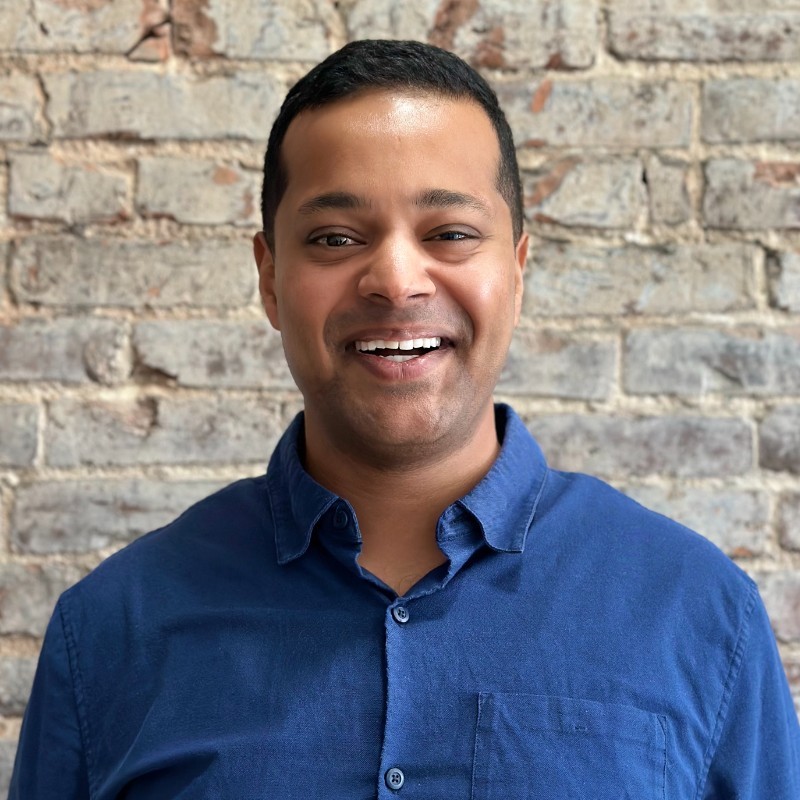
Santosh Sankar
Managing Partner, Dynamo Ventures
sponsored by