That’s Not Venture
07
Episode Summary
In this episode, Earnest Sweat and Santosh Sankar unpack the rise of mega funds in venture capital, tracing how SoftBank’s Vision Fund, crossover investors like Tiger, and the AI boom led to extreme capital concentration among a small set of established firms. They explore how this shift changed fund pacing, incentives, and hiring inside large platforms, often prioritizing velocity of capital over thoughtful investing. The conversation then turns to what non-mega funds can do to thrive: defining a clear worldview and differentiated strategy, staying flexible enough to invest alongside mega funds without being boxed out, and using tools like secondaries and earlier liquidity as advantages. They also emphasize the importance of alignment on cap tables, thoughtful handling of founder liquidity, and building deep, strategic relationships within mega funds so that smaller managers can better guide founders through complex power dynamics and “kingmaker” behavior. Also, Javad Mostofizadeh, a veteran fund formation partner at WilmerHale, explains his tax-focused background and how he helps emerging managers navigate the strategy, structure, and logistics of launching a venture fund.
Show Notes
Topics in this conversation include:
- Elephant in the Room: Mega Funds, Kingmakers, Queen Makers (0:06)
- Rise of 500M+ Funds, Barbelling, and Early Concentration of Capital (2:59)
- Pandemic Era: Flight to Brand Names and 70% of Capital to Mega Funds (6:00)
- Scaling Venture Firms: Hiring Layers and Incentivizing Capital Deployment (9:25)
- End Game for Mega Funds: Competing With Giant Asset Managers (12:08)
- Question of Going Public: Mega Funds as Neo Financial Institutions (15:51)
- Demystifying Fund Formation: Scope, Timeline, Costs, and LP Types (19:30)
- Playing Ball With Mega Funds: Ownership, Price Discomfort, and Outliers (26:05)
- Advising Founders on Mega Funds: Playbooks, Control Terms, and Alignment (27:19)
- Consensus Investing vs Contrarian Bets: Building the Story and Market Proof (29:40)
- Managing Secondaries: Founder Liquidity, LP Duties, and De‑Risking Winners (31:57)
- Relationship Strategy: Navigating Power Dynamics Inside Large Firms (33:43)
- Getting Mega Fund Attention: From Contracting Cycles to Kingmaking Dynamics (34:46)
Venture has plenty of content. What it lacks is candor and curiosity about the craft. Hosted by Earnest Sweat and Santosh Sankar, Carry On is focused on what building a firm actually looks like, not the highlight reel. Each episode breaks down the X’s and O’s of venture capital, traded openly between two GPs and a small circle of friends who live this work. From first funds to franchise firms, specialists to generalists. Learn more and subscribe at www.carryonpodcast.com.
Full Episode Transcript
Earnest Sweat 00:06
I think today we wanted to talk about the elephant in the room, right? Megathon,
Santosh Sankar 00:15
kingmakers,
Earnest Sweat 00:16
king makers, queen makers. Can you say queen makers?
Santosh Sankar 00:20
We should.
Earnest Sweat 00:22
We makers, you know. There’s a lot of discussion on every podcast. I think you know the other podcasts we both do, whether we’re guests on podcasts or we’re interviewing people, the conversation always comes to, hey, what about these mega funds? Should they be around? Is it a real venture? It’s like it’s become the test if you’re like real or not, which is taking a weird kind of stance in our industry, and so today I wanted to have us talk about like one, how do we get here? Two, how is it going to impact our industry, and maybe these firms are right to do this, given things that have changed in the market. And then three, if you’re not one of those mega funds, so I’m talking about 990 million and below. How do you operate, and not just operate? How do you succeed in an industry that’s always going to have this new player?
Santosh Sankar 01:45
Yeah,
Earnest Sweat 01:46
yeah.
Santosh Sankar 01:46
It’s embracing that this is right, and this could just be the new normal, rather than us kind of fighting it or questioning it, which might be a bit abnormal, especially coming for me. But let’s lean into this a bit. So, how did we get here? I went through, dug some data out, and used our handy dandy AI friends.
Earnest Sweat 02:16
We’re not going to say a name to have sponsorship. We
Santosh Sankar 02:20
don’t. But if you would like to sponsor us as a Frontier Lab business or a harness, give us a shout. You know where to get us,
Earnest Sweat 02:28
or acquire us,
Santosh Sankar 02:30
or or in this day and age, very very fair point, well made. But the the mega round was not a frequent thing, and when I say mega round, 100 million plus rounds till about 2015 esque, and there was no Silicon Valley investor apart from NEA who had you know billion dollar funds even at that point, and things started to change towards the end of the last decade, 2017, SoftBank raised that first Vision Fund, and I I can remember it so vividly, where everyone was like, “What 100 million, 100 billion dollars? Wow! Like, what are they going to do with that? And that was 10x larger than the number two fund, which was Insight, at about $10 billion. That’s
Earnest Sweat 03:25
insane.
Santosh Sankar 03:26
And I think people would agree that Insight isn’t a pure play venture fund either. They do a lot of you know traditional majority, even buyout style investing. So it’s not apples for apples. And I vividly remember Insight of our firm, we’re like, oh, like wow, that but that feels a bit more private equity than venture. But little did we know. So let’s kind of continue down the path as we were getting into 2018 19 is when we first saw concentration really emerge, but still wasn’t a billion dollar fund. These were mega funds, $500 million type funds, and they were at about 44% of the total venture raised. So I think you’ve made mention of this before on barbelling, but it might be why barbelling showed up as early as 2019 is because fund sizes started to meaningfully step up, even if they weren’t a billion dollars. And I
Earnest Sweat 04:23
vaguely remember at this time because I was probably 222, and a half years in to the business, and people had their stance and of like what pure venture was, and jokes were had been had in in rooms of like, hey, why is SoftBank doing this deal at that valuation or around that time, 2820 20 sorry 2018 or 2019? Then you had the Tigers of the world. The kind of crossover fund started to come in, right? And what was that? There, one of those firms had a pace of like every week and had a new deal announced.
Santosh Sankar 05:14
Tiger,
Earnest Sweat 05:15
and so it was. It just felt like bananas. And this was even like firms now that have converted to these mega funds, they even were like, “That’s not a venture, right?
Santosh Sankar 05:27
That’s a great point. Great point. I’ve been in board meetings where they’re like, “We don’t know what’s happening with these firms who don’t come from Sand Hill Road. They are not us. They’re something else, and we were there actually. We don’t believe them. We don’t think they’ll be successful. How does one do that? Adventure is a kind of cottage industry boutique craft. But you know the partners have said that now are sitting on billion billion plus
Earnest Sweat 06:00
fund sizes, and it wasn’t even a them distancing just distancing themselves from those organizations. There was also just like an underbelly of a sentiment that they like openly rooted for those those organizations to not succeed in the asset class, and reasons why we can speculate, but it felt like it was too much change, or maybe they saw, hey, we missed on an opportunity that they’re taking advantage of when we’ve been here the entire time.
Santosh Sankar 06:36
So let me continue on this journey because it gets interesting. 2020 2021 pandemic hits,
Earnest Sweat 06:43
yeah,
Santosh Sankar 06:43
and the liquidity issue actually just further cements itself in where mega funds take about 70% of capital raised. So there’s almost this perceived flight to brand names, flight to quality, and at that point,
Earnest Sweat 07:02
and the previous stat was 44. Yeah, yeah, yeah, yeah.
Santosh Sankar 07:05
And 2021 fundraising recorded $158 billion across about 1400 funds, but it was still heavily concentrated, skewed towards those mega fund brand names.
Earnest Sweat 07:17
Yeah,
Santosh Sankar 07:18
and then the correction happened, and and I remember this because we were raising our second fund through the pandemic, and then we had established a portfolio, and the correction happened. And you know there are a lot of great companies that didn’t get to see another day, partly because the specter of AI was also emerging, but there was a paradox where one would think there’d be a pause and say, “Hey, like the way we’ve allocated capital to these funds, we need to rethink that and and change our way. That did not happen. Instead, there was a continued flight toward not just established managers, but again, these mega fund brand names, the stalwarts that today are sitting on these fun sizes,
Earnest Sweat 08:02
and I remember that the the other thing that was intriguing is the craft of venture when we first got into the industry, and especially if you like spoke to people who had been in longer than us and looked back, the craft adventure always was associated with a pacing that was similar to me as like 1960s, 1970s musicians of like, hey, I’m not going to have an album until like another three years, four years. So I have some life that happens in between that I can be inspired and actually like yeah execute on, and that just changed. Where people were raising these, you know, growing from 500 to a billion to 2 billion, and deploying the capital in like a year, and so they were having new funds pop up more than Little Wayne had mixtapes pop up in the early 2000s. It’s like
Santosh Sankar 09:04
wow. There, the concept of time diversity was thrown out the window, and I have a friend. I remember he called me out of the blue one afternoon, and he called me a couple times. I was on another line, and I thought something untoward had happened, and I was like, “Is everything all right? Like, and he’s like, “No, no. He’s like, just in this conundrum because this brand name LP told us we’re not deploying fast enough, and we deploy in two and a half to three years. And he goes, “I know you deploy a bit slower than us. Like, what do you think about it? Do you feel like you’re deploying way too slow, and I said no. And I go, I’m not sure what the incentive necessarily is for that advice, but I’m gonna take time diversity because I don’t know if in two years I can find, you know, $3 billion type outliers, right? The part was you need enough time to find out. Liars, and he ended up not changing anything. Did not end up raising for from said brand name LP, but I think on on kind of public record that the tone has changed from a particular individual,
Earnest Sweat 10:14
and then that was also created because of the pace. Now I’m remembering, is this just speed at which of hiring, right? And so we needed it because we have more capital, more AUM. We need more layers, and so we need more GPs, more junior partners, more principals, more VPs. Why do we have that level? More. We’re trying to blood scale a venture firm.
Santosh Sankar 10:39
It doesn’t really work well, and so
Earnest Sweat 10:41
just hired all these people and incentivized them as like their role is, which is so. One day we’ll talk about just building a firm and how to incentivize individuals and really dig into that. But their main incentive, like a way to incentivize them was like, hey, you’re going to be your performance is determined by how much capital you deploy.
Santosh Sankar 11:05
Yeah,
Earnest Sweat 11:07
not companies you see, not great deals you do. Um, well, we want them to be great, but it’s really about how much you deploy.
Santosh Sankar 11:16
Yeah, velocity of capital, velocity of
Earnest Sweat 11:18
capital, and that’s why you’re going to create these problems
Santosh Sankar 11:20
that exist even to this day. And earlier this spring, I was at an off site, and I think I messaged you where that still is the case, which is not what investing should necessarily be about.
Earnest Sweat 11:34
No, sometimes you might have to, you know, have periods of slowness. All right, so I stopped you on the history. So where do we go from 2021 to 2022?
Santosh Sankar 11:42
So then we had the post COVID correction, and then extreme concentration came when late 23 OpenAI revealed Chat GPT. It spread like wildfire, and we’re kind of thrust into this AI mania. Full year fundraising fell to $76 billion across roughly 500 firms or 500 funds, but 20 firms alone captured 60% of venture dollars. The established firms alone took almost 80% of those dollars. Andreeson alone raised 10% of all U.S. venture dollars that year. Wow, 2025. I think everybody not too long ago had extreme concentration, and I think that’s where most people were talking about concentrations starting last year, and then so far this year, three firms-Andreeson, Thrive, Founders Fund-have continued to raise the majority or near majority of the capital raised. Established firms are still winning. 90% of venture dollars are going to establish organizations. It’s a tough world out there if you are not in the categorically established bucket,
Earnest Sweat 13:03
categorically established, not just established.
Santosh Sankar 13:09
SoftBank basically normalized this, and then you had the crossover funds can’t come in, and at that point, all the Silicon Valley or quote unquote traditional venture firms that were questioning that model have now joined that model.
Earnest Sweat 13:25
Before we get into how this impacts the industry, one question that just popped in my head: I’m curious about your thoughts. Is like, what’s the end goal for them for these mega funds, like what is it? Is it too at a certain point? I feel like in kind of the 2023 2024 kind of period, there was this push for becoming kind of like we’ll do more public equities. We’ll do kind of the entire life cycle of private technology investing. We’ll do secondaries. We’ll do like we’ll just do literally everything that touches these companies. We’ll do some debt, and so my assumption was like, okay, now they’re trying to compete with these huge allocators of capital. So your Black Rocks, your Goldman Sachs, your like, if if you ask
Santosh Sankar 14:29
allocators of investment banks, like yeah, the line blurs a bit. Yeah,
Earnest Sweat 14:33
yeah. Just just there should be a whole name for them. It’s just like companies that make a lot of money.
Santosh Sankar 14:38
Yeah,
Earnest Sweat 14:38
I don’t know what they do, but they do everything. And so is that the end game? Like, is that a smart end game? Because those guys are really good at whatever they touch.
Santosh Sankar 14:48
Um, I had always kind of viewed Andreessen and GC to be on the path to be this like neo investment bank asset man. Merchant Bank, I think, is where you describe them in the pre-show, but maybe not entirely the case. Maybe part of it also. You know, to their credit, they’re led by innovators. They sit alongside, and some people don’t think about the world in the incumbent mentality. So maybe they’re creating an entirely new thing that we still have to find a word for. But going back to your point, they have amassed so much capital, so they have to go full cycle, which they do, right? I don’t know if I see them a whole lot at pre-seed, but they definitely are at seed up through pre-IPO and even public market, right? They will hold net new public positions, but you see them come up with a novel suite of fixed income products that help you grow more efficiently. If maybe you’re not purely on the venture track, but you’re still a great business, they can collaborate there. And the whole concept of growth buyouts, you know, is very much private equity in nature, and I know GC has a great group that just eats stuff like that for lunch.
Earnest Sweat 16:08
Yeah.
Santosh Sankar 16:09
But your point on secondary is interesting. Where I don’t know if I’ve seen them come necessarily. Like they will do secondary if the round requires it in order to get a position, but I don’t know if I’ve seen them yet. Set up a secondary competency where they actively try to buy secondary into great businesses that they deem they want to be part of. But part of that is going to be beneficial to maybe those that sit below or upstream rather from them in the stack, such as smaller firms, anyone that’s I guess smaller than them. But let’s be real; it’s probably the firms who are 250 million and below in terms of fund size. I haven’t seen that yet, but it feels like it’s inevitable that they’re going to get there. Yeah. And at that point, do they help you go public? Do they help facilitate M and A? Like, why would you not do that? You already have your licensing, and you’re a regulated outfit in the eyes of the SEC and FINRA.
Earnest Sweat 17:11
Do they go public themselves? Do do
Santosh Sankar 17:13
Do they go public? And they’ve even sold pieces of their management company. Yeah. To go to your earlier point before we got the tape roll, and so it’s kind of hard to see them not go the path of this new neo financial institution. Yeah. Right.
Earnest Sweat 17:30
Yeah. Yeah.
Santosh Sankar 17:31
But in the scheme of those players, they’re small.
Earnest Sweat 17:34
Yeah. So they’re Max
Santosh Sankar 17:35
Stones, KKR. They’re small compared to those boys. So they’re
Earnest Sweat 17:39
gonna have to grow AE. Yeah,
Javad Mostofizadeh 17:42
and now a word from our sponsor.
Earnest Sweat 17:45
We’re happy to have one of our partners on Carry On today. Is Javad Mosto Fisada?
Javad Mostofizadeh 17:56
You got
Earnest Sweat 17:57
it. Let’s go from Wilmer Hale, the podcast can only go up from now. That’s
Javad Mostofizadeh 18:04
right. Yeah, absolutely. Well, thanks for having me. It’s a pleasure to be here with you.
Earnest Sweat 18:09
We feel so privileged and honored to have you on, Javad, and the entire Wilmer Hale team. Before, but but but before we jump into things, it would be great to just share your background if you could share your background with our audience.
Javad Mostofizadeh 18:26
Yeah, I mean, my background is you know I’m a fund formation partner. I sort of lead the practice here at Wilmer Hail. I’m in San Francisco. I’ve been doing this work for about 25 years or so. I actually began with sort of a tax focus. I got an LLM in tax after law school, and started as a tax lawyer in San Francisco for a couple of years. And this was sort of in the latest. A lot of the sort of tech stuff was going on, but none of it was happening, unlike now in San Francisco. And so I had to bite the bullet and move out of the city and down to the valley where I joined Gunderson, and I mean also kind of coincided with having you know a young young our first kid and he was young so it it made sense I guess, but now I’m back in the city, so but but in any event, I kind of joined the tax group there, and that’s where I first sort of got exposed to fund formation because the firm, the practice within the firm was starting to grow, and most of the people in the tax group were kind of involved in it because there’s a lot of tax aspects to these fund structures, and so you know, it was there. I kind of realized I really enjoyed sort of the puzzle aspects of tax, but you know, but also there were other elements of pure tax practice that I was sort of missing out on, like interfacing with clients and building relationships, negotiating transactions, things like that, and kind of just being a. Strategic partner and advisor to clients, and you know all of that was sort of represented in a venture fund practice, and that’s what sort of drew me to it. And yeah, so you know we’re we’re not we’re not just sort of document drafters. You know, we act as strategic partners and business advisors and help you know especially with emerging manager clients, which we love to represent. You know, we sort of help them stand up their firms, and there’s a lot of sort of business and strategic and just sort of fundamental operational sort of decisions you have to make when you’re doing that. And we like sort of guiding clients through that process. So I spent many years at Gunderson, then I moved over to Latham in about 2021. Was there sort of leading up the venture fund practice, and then moved over to Wilmer Hale in December, where I’m leading up the practice here.
Earnest Sweat 20:55
Yeah, a lot of great experience and relevant experience for our audience here, you know, for you know both established and first time GPs listening to this, could you kind of like demystify what goes all into fund formation? What’s kind of actually in the scope? Just curious about that.
Javad Mostofizadeh 21:24
Yeah, I mean it’s a lot. I mean when we sort of sit down with emerging managers, we know the first thing we do is kind of scope it out. You know, you know what’s involved, what the timelines are, because it does take longer than a lot of folks expect. What the costs are, you know, and we sort of get a sense of, you know, the size of the fund, what the potential, you know, LP base is. Is it mostly, you know, network, you know, family and friends, high net worth individuals, maybe family offices, which tend to be less frictional in terms of negotiating. A lot of those times, a lot not always, but a lot of times, those types of investors will not, you know, fully negotiate the documents. They’re really just investing on the basis of a relationship and trust. But other, you know, and so in that in that case, you know, the bill and what’s involved might be a lot less than you know if you have strategic and or institutional investors coming into the fund, which tend to negotiate more. So we’ll map it all out. There’s a handful of decisions that the manager needs to make as part of standing up a firm. Our initial work is sort of broken into two phases. The first phase is really kind of meant to sort of get the manager equipped to go off and market the fund. You know, and our involvement there is, you know, we’ll review the pitch deck that the manager has put together. Both, you know, it’s a securities offering, and so we have to make sure that the securities law, you know, rules are complied with, and so we scrub it for that. We also kind of put on our LP hat, you know, given that we we sort of see a bunch of these, and you know, make comments that are a bit more, you know, hey, you know, maybe you could work a little bit more on differentiating yourself, or kind of, sort of be a bit more crystal clear as to what your your secret sauce is, because I think that’s an important element for emerging managers to sort of stand out, in particular in this market. So we kind of focus on that. So that’s one piece, and the other thing we piece do in this first phase is we help them come up with a summary of terms for the for the for the fund, and you know it’s a much shorter document than the full blown LPA, but it does have a lot of the you know the high level terms in there, and and so you are making a number of the decisions I are sort of signaled, and we’ll kind of go into a couple of them, but you know and sort of with those two pieces of documents, you know they can go off and and and market the fund, get investor interest, and and we’re kind of you know not really involved at that point until they until they come up with sort of a group of investors that they’ve soft circled that they think would be participating in the first closing, and then they give us the green light. Now go off and draft the rest of the documents, and so we’re kind of limiting how much we have into it until we sort of know there’s going to be a fund there, if that makes sense. And now back to the show.
Earnest Sweat 24:33
The next thing I want to move on to was like, how does it impact our industry? But first, in this exercise, just accepting, hey, maybe they’re right, and this has to maybe there be a gap, given companies are staying private way longer, that there’s a need for more capital. And you can argue more capital that understands kind of where the companies came from. Yeah, right. Where
Santosh Sankar 25:09
where they’ve come from, where they are, where they need to go.
Earnest Sweat 25:12
Exactly, exactly.
Santosh Sankar 25:14
And like I’ll say, I thought, and and I think this is part of being inside a venture is how this insight and capability likely emerged. GC has a fixed income product that helps you specifically scale GTM. So roughly speaking, they come kind of propose after they’re done their underwriting of a sum of money that has an interest rate tied to it and an amortization schedule, so you pay it back. But it’s based on, and really, why you do it is because you have a certain yield on your sales and marketing burn that exceeds the cost of capital. Guess what? That cost of capital is still going to be much cheaper than equity and dilution. So, I thought that was very novel and sensible for a certain class of business that has that predictability and repeatability.
Earnest Sweat 26:09
Yeah,
Santosh Sankar 26:09
didn’t see Wall Street show up with that.
Earnest Sweat 26:12
No,
Santosh Sankar 26:13
but somebody was embedded in the ecosystem. To your point, saw that and said, “Hey, we’re willing to offer it and make a lot of noise and dedicate a team to
Earnest Sweat 26:20
it. Absolutely, and so I think you’re going to have these firms that are going to be around and be key players in this industry. Yeah, and so where do you see it impacting other players?
Santosh Sankar 26:41
So I think if you don’t have a rival AUM base, you’re not in that category. You’re something markedly different.
Earnest Sweat 26:49
Yes,
Santosh Sankar 26:50
doesn’t make it wrong. Doesn’t mean you cannot succeed. Because one of the reasons I do what I do is I just love the fact that different VCs find different ways to build amazing firms and generate returns. It may not be what I agree with. I may not be well suited to operate that playbook. But let’s say I think you’ve used numbers like 900 million, approximately a billion and below. You’re not in this category. So what are you? Well, you’re not operating off capital scale. So you need to figure out what your worldview is in earnest language? What is your worldview? What does that mean for the firm you need to build and the funds you need to raise? Yeah. So there’s that AUM question in the fund you’re raising, a portfolio construction question, the stages you participate at, the ownership you need to approximate to, or or or or the hurdle rates you need to underwrite too as you go late stage if you do that. So what that ultimately means is you have to determine how you can play ball, and it might be you need to build a model that is flexible enough where when you have conviction and others don’t have conviction. You can still participate and write a meaningful check that allows that company to compete, invest in the right things in order to grow an enterprise value. Equally, my belief is you have to have the flexibility enough where you can still participate in an investment in a round of that business. Should a larger fund show up and say, “Hey, we’re going to hoover up most of the round. We’re going to price it maybe at a point where it might make us feel uncomfortable, but I also think one of the things in venture we need to try to avoid is seeing a generational company and not making an investment in it simply over valuation over price, and that’s kind of the exception. There’s art to that, right? When you say yes, when you.
Earnest Sweat 28:46
I’ve never made an investment in my 12 year career where it didn’t feel like the price was a little comfortable. On either way, where there’s like, oh, this is a little pricey, or there’s a reason why this price is where it’s at because there’s a lot of hair and risk associated with it. Anything that felt like, man, I’m getting a great deal on, it was just okay.
Santosh Sankar 29:12
Yeah, an
Earnest Sweat 29:12
investment.
Santosh Sankar 29:13
No, I think that’s a great point. As I think about our most mature fund, like the outliers in that, I remember there was like a little bit of when we first made that first check. Oh man, really?
Earnest Sweat 29:23
Yeah.
Santosh Sankar 29:24
And now we’re happy we did it at that level. But in the moment, yeah, there was that discomfort. I think that’s a good point.
Earnest Sweat 29:32
Do you think that you know we’re talking to all firms that are not of the mega, I don’t know, mega transformer size. I assume that there needs to be a strategy also with how to advise your companies by interacting with them, right? Whether it’s like they’re, they’re thinking about investing in their round and leading. The round when’s the right time, and I know it always. There’s no hard and fast rules, but having a perspective as somebody who’s already on the board is probably important, right?
Santosh Sankar 30:11
I have, I have friends who actually have built playbooks. We have not. I have friends who built playbooks when a mega fund approaches their company at a certain stage or before, and the types of things you need to keep your eye out for in diligence and where you push back hard as they try to amend your corporate documents in a way to not unintentionally give them control.
Earnest Sweat 30:35
Yeah,
Santosh Sankar 30:36
because also the nature of those organizations is they are not going to be, you know, parameterized around 30 investments. They’re going to be doing hundreds of investments, and so if they think something’s not working, they’re going to try to cut bait as fast as possible, and that’s not necessarily aligned to you as a founder, or your early backers, pre-seed seed funds, who might say, “Hey, this is just this is part of the messy middle of achieving product market fit. This is okay. Been there, done that. Don’t need to pull the plug at this point, but they may not have that incentive because they need to. There’s a velocity of capital incentive to your earlier point, and so the thing that we spend a lot of time thinking about is who is it? Why are they showing up? It’s nice to be wanted, especially by a brand name that everybody fawns over. But what does that actually mean? Are you actually going to get their attention? Are you just a number in their book? What does alignment look like? What if they’re unwilling to do the next round?
Earnest Sweat 31:38
Yes,
Santosh Sankar 31:39
and not just lead, because like that’s kind of gone away. Where mega funds will lead back to back rounds and not think twice about it. That used to be a thing.
Earnest Sweat 31:48
It used to be like you wanted new blood. It’s not really a good sign. Objective
Santosh Sankar 31:51
mark, all that. I feel like there’s more of a tolerance right now, but maybe that’s also signs of a frothy period. Yeah, where maybe certain best practices that exist for a reason aren’t being followed, but what if they don’t participate at all? And how do you talk someone through that? And I think part of this also is like, how do you deal with this? Is there a bit of consensus investing? I’m not actually a bit. There’s a lot of consensus investing, and I think it was Josh Wolf at Lux many years ago said like great VCs, we invest in something contrarian, and we get the benefit of when the market flips to make the concept consensus
Earnest Sweat 32:36
exactly,
Santosh Sankar 32:37
and it’s been very hard to see that happen over the last several years, but part of it is, I think, having to build the muscle and how do you help inform these organizations who are generalists, are not maybe sitting in the nuance of how a market or a company operates, which I think is important. But your advantage as a small firm is you can take that time to do that, and how can you help the broader market understand that, so you need to write. You need to repeat yourself ad nauseum. You need to have data to prove that that bet you made when there is little to no data is being validated. And there’s a bit more of like you need to be and and and maybe this kind of has a negative consequence. Like it might create more noise in the venture ecosystem, more voices, more people with
Earnest Sweat 33:24
podcasts. Yeah, yeah. Who needs another podcast? The other thing that you kind of brought up there is not misalignment on the cap table of what kind of the goal is, and also if if you’re not one of these mega players, if you’re the one of the others, having an approach to one when there’s a new valuation, a new price, do you jump in? Do you cut bait? Do you take some off the table, and approach that in a thoughtful way, where you’re underwriting and thinking of your best interest, and not just the entire organization. I mean, the entire cap table, right? Because there, if you’re a mega fund, you have a different approach. And one thing that we’re starting to see, or we’ve probably seen for a while now, probably since that 2017 era and on is a lot more secondary sales of founders earlier and earlier at Series A, Series B, and what does that do to the earlier investor and how do you approach? And so that’s something you also need to have a perspective on is like we need to be aligned. If they’re selling, and you’ve raised from foundations and individuals and hospitals and all this stuff, it is your fiduciary responsibility to to assess. Okay, is it time for us now? Mega funds can’t do that, but. Because it’s such a negative implication if same tier one firm any amount
Santosh Sankar 35:05
that they would sell is immaterial to
Earnest Sweat 35:07
their fund size, right? They
Santosh Sankar 35:08
actually cannot do secondary, which is I perceive to be a bug in their model. But it’s a feature of anybody who’s smaller is you can get liquidity at lower valuations, which is maybe one of the few things that the non mega funds should really embrace. Yeah, and I think the ecosystem is also maturing away from the mega funds. There is increasingly a more vibrant market of secondary buyers who understand how to approach the process. They’re viewed as a great signal even to the mega funds when they come in at a certain juncture, and understanding how do you build a framework as to when do you sell down if the founder needs secondary? Do they need it? Do they want
Earnest Sweat 35:55
it? Yeah,
Santosh Sankar 35:55
You know we have some older founders who have certain responsibilities and obligations. So when they show up at Series A, there’s a bit more of a willingness and understanding on our side as to hey, let’s help facilitate it because it’s stress off of their minds allows them to focus on the business.
Earnest Sweat 36:12
Yeah,
Santosh Sankar 36:13
doesn’t mean that we necessarily sell. Our model is as when you get to be a fund returner in our portfolio, you will see us come and ask for your help to facilitate a 20% sale. We get to de-risk early liquidity, and I think you’re going to see a bit more of a regimented process, like a public market investor would think about how you shave at higher highs, right? But I think there’s a version of that here. Granted, you’re working with an illiquid market, and you need to make the market for yourself as a GP, but some of that market you might be able to make because the mega funds now exist. There’s a scale of capital deployment they need to worry about. So if they equally feel like they share a mutual winner with you, they’re going to want to buy that.
Earnest Sweat 36:56
Yeah, yeah, and that’s that’s to my last point that I wanted to make is that you need to be very in tune to the personal relationships inside of these organizations, and I think if you have any experience, kind of like the two of us, of helping our companies navigate large, large organizations, right, large corporates in legacy industries where power dynamics change and people leave all the time. How are you able to always make sure that you have an ear and that that or an ear and a relationship inside these large firms that you always have that at times to help your company, right, and give you insight of like, hey, you should really look at this company, or or you know help give insight to like your founders on like what’s really going on there. Hey, that person that you might take a term sheet from, they’re a flight risk and they might leave very soon. So I think that’s the other piece is really important is like the relationships and being able to play the three dimensional chess with these organizations,
Santosh Sankar 38:03
if I may. Before we wrap on that point, I think it’s a really good point because we’ve made statements on the mega funds and cycles, and I actually think they can be two different things. You can still be in a contracting venture cycle or macro cycle, and mega funds continuing to raise and kind of maintain themselves, but part of I think getting the attention is right now. It’s very hard to do that if you’re not one of these like 20 to 30 like heralded companies that all these firms are going after, and understanding what it means to slowly build the story to get their attention and ensure that they can make you and not a competitor is something that your venture, your VC early stage VC partners that you’ve brought on can help you with potentially as well. And I think I think it’s a great point. It’s a great point.
Earnest Sweat 38:52
Or if they king make someone else and they fail, always having a relationship with their growth team then they can yeah better.
Santosh Sankar 39:00
You’re you’re the next bet.
Subscribe
Join the Conversation
Stay close to the ideas, operators, and opportunities shaping what’s next.




Your Hosts

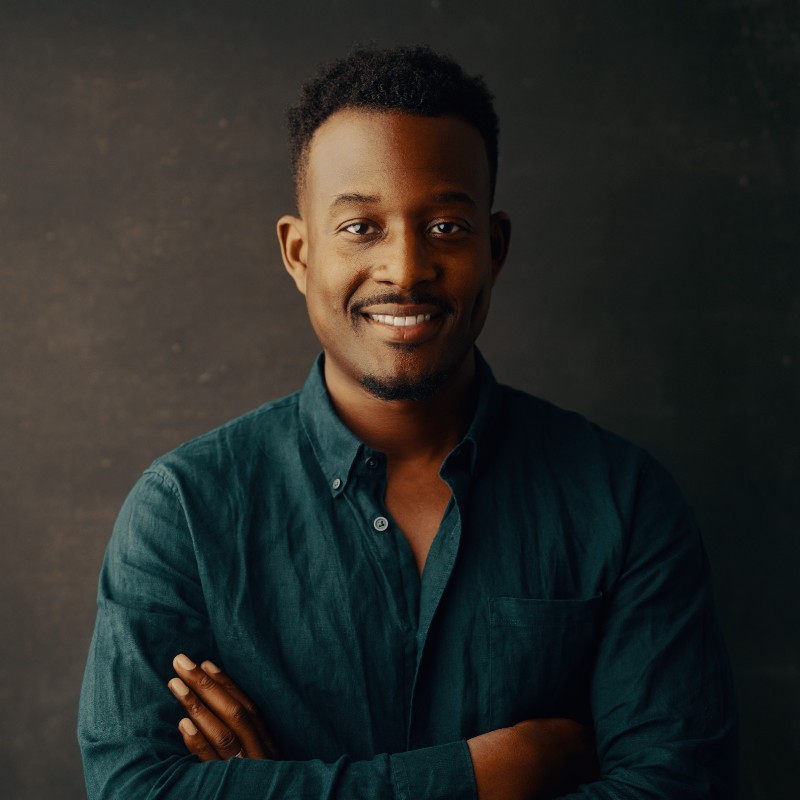
Earnest Sweat
Venture Capital Advisor & Emerging Fund Manager
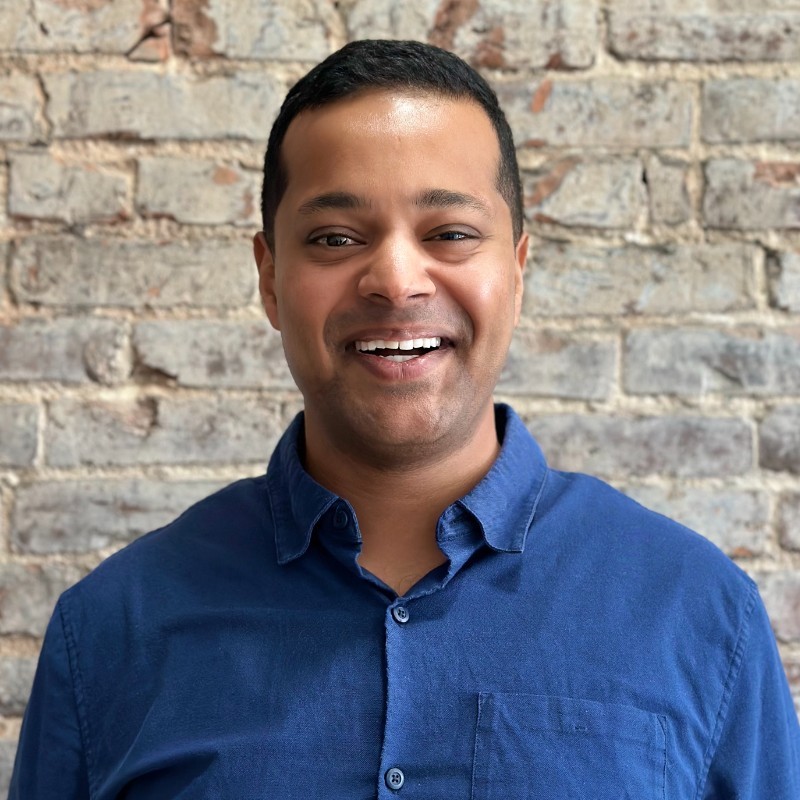
Santosh Sankar
Managing Partner, Dynamo Ventures
sponsored by